

Understanding the Ultimate Flying Type Pokemon Weakness
Hey there! If you are getting constantly crushed by Charizard, Talonflame, or Salamence, it is high time you fully understood the core flying type pokemon weakness to finally flip the script on your opponents. Flying types are absolutely everywhere in the game. They boast incredible speed stats, hit incredibly hard with moves like Brave Bird, and have that frustrating natural immunity to ground moves. But despite how terrifying they look in the sky, they have massive tactical blind spots you can easily exploit if you know what you are doing.
Just last week, I was wandering through a gorgeous park right here in Kyiv, trying to win a highly competitive local tournament on my phone. The competition was fierce, and frankly, the meta in 2026 is faster and more unforgiving than ever before. It is crazy that even now, so many players still throw grass, bug, or fighting types at bird-based foes, completely ignoring the basic elemental rules of the franchise. My buddy Taras lost a huge finals match simply because he forgot to pack a strong electric move against a massive, defensively bulky Corviknight. That really stung to watch. So, I grabbed my keyboard to type this guide out for you. You need to know exactly how to counter these aerial threats without breaking a single sweat. If you genuinely want to dominate the competitive ladder or just beat your friends, pinning down their specific vulnerabilities is step number one.
Read also: Master the Ice Pokemon Weakness Meta; Exploit the pokemon fighting weakness Now.
Let’s break down exactly what hurts them the most, why it hurts them, and how you can draft a team that specifically targets these traits.
The Big Three Counters
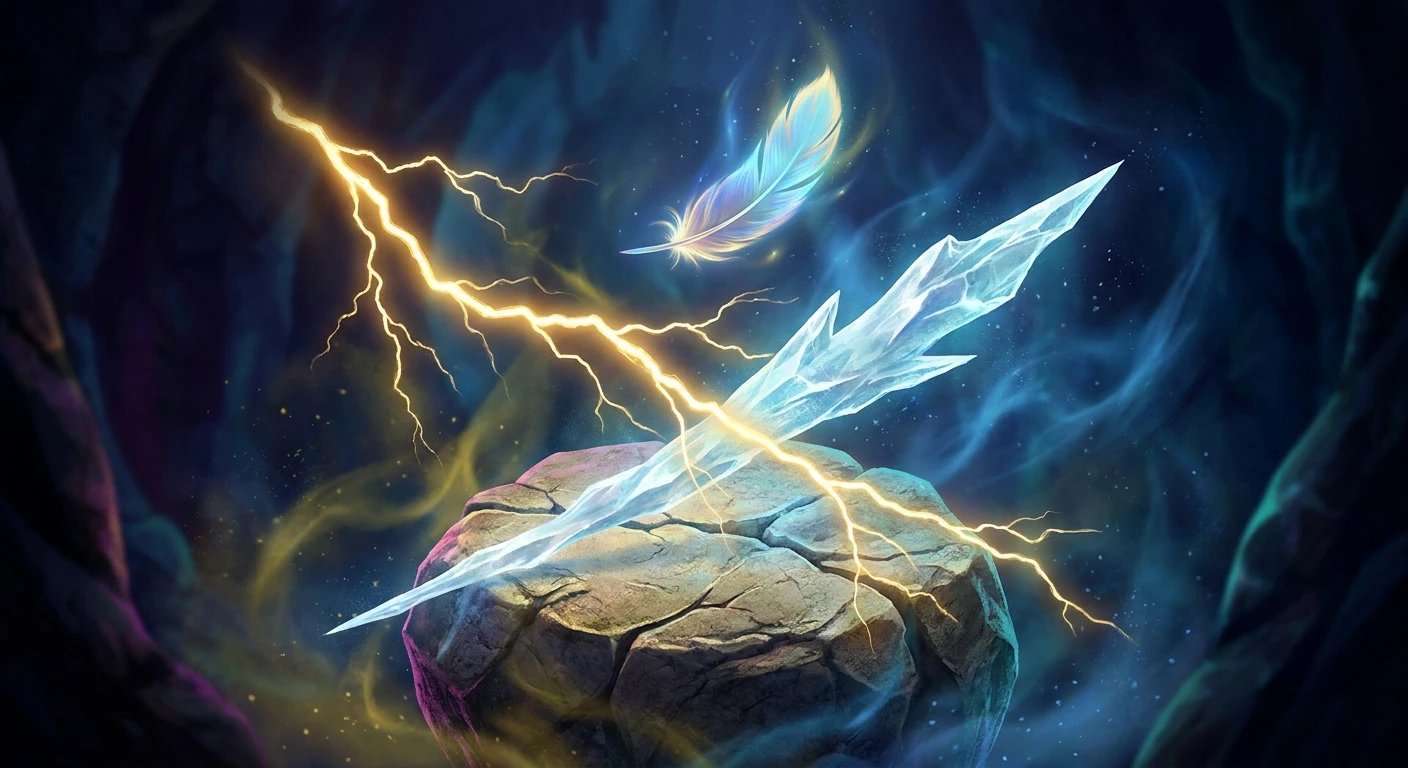
When you are staring down an avian threat, you have three primary elemental avenues for destruction: Electric, Ice, and Rock. Each of these typings offers unique tactical advantages on the battlefield. Electric moves are generally fast and hit extremely hard on the special side. Ice moves are notorious for punishing the dragons that often share the flying typing. Rock gives you access to the best entry hazard in the game. Look at this quick breakdown:
| Element Type | Strategic Advantage | Best Example Attackers |
|---|---|---|
| Electric | Usually high speed; paralysis chance ruins their natural speed advantage. | Jolteon, Raikou, Zapdos, Magnezone |
| Ice | Hits incredibly hard against dual-type dragons; high freeze potential. | Weavile, Mamoswine, Glaceon, Iron Bundle |
| Rock | Access to physical powerhouses and permanent environmental hazards. | Tyranitar, Aerodactyl, Golem, Garganacl |
To really maximize your value proposition against a tough opponent, you cannot just click random super-effective moves. You need a game plan. For example, using Thunderbolt with a Choice Specs Jolteon will completely vaporize a Pidgeot before it can even move. Alternatively, utilizing Ice Beam with a bulky Lapras ensures you survive a hit and strike back with a devastating four-times effective blow against a Dragonite. Here is exactly how you execute this properly:
- Establish Entry Hazards First: Get Stealth Rock on the field immediately. Every time a flying adversary switches in, they will lose 25% of their total health instantly.
- Bait the Roost: Many birds use the move Roost to heal. This temporarily removes their flying type, making them vulnerable to ground and fighting moves. Predict the Roost and hit them with an Earthquake!
- Exploit Secondary Typings: A pure flying creature is rare. Most are dual-typed. A Water/Flying creature like Gyarados takes four times the damage from electric attacks. Pinpoint the dual weakness.
The Origins of Aerial Battles
To truly grasp how these mechanics work today, we have to look back at the origins of the franchise. Back in Generation 1 (Red, Blue, and Yellow), the mechanics were incredibly simplified. The sky was dominated by massive legends like Zapdos and fast attackers like Dodrio. During this era, Blizzard was notoriously overpowered with 90% accuracy in the Japanese versions. Hitting flying enemies with a massive chunk of ice was basically the only reliable way to stop them from sweeping your entire team.
Evolution Across Generations
As the series progressed into Generation 2 (Gold, Silver, and Crystal), developers introduced the Steel typing. This gave us Skarmory, a metallic bird that laughed at Rock and Ice attacks. Suddenly, the meta shifted violently. Players realized that Electric and Fire were suddenly premium attacking types. By the time Generation 4 (Diamond and Pearl) arrived, the move Stealth Rock was introduced, permanently changing the landscape of competitive play. Birds were suddenly heavily punished just for entering the battlefield, solidifying rock-type moves as an absolute necessity for any serious team builder.
The Modern State of Avian Combat
Fast forward to the modern era of 2026. With mechanics like Terastallization completely changing a creature’s typing on the fly, relying on basic type charts is trickier, but the core foundation remains unchanged. If a creature keeps its native wings, it still fears a rock slide. Today, players combine weather effects like Snow to boost their Ice types’ defense, or Electric Terrain to boost their electric sweepers, making the offensive pressure against aerial threats more dynamic and explosive than ever before.
The Elemental Physics of Battle
Let us talk about the actual math running quietly under the hood of your game. When you launch a super-effective attack, the game runs a damage formula that multiplies your raw output. If you hit a pure flying type with a Thunderbolt, the game applies a standard 2x multiplier. However, if the attacker also matches the move type, they get a Same Type Attack Bonus (STAB), adding an extra 1.5x multiplier. That means a Pikachu using Thunderbolt does significantly more damage than a Persian using the exact same move.
STAB and Base Stat Distribution
The distinction between physical and special defense is also crucial here. Most winged attackers are naturally frail on the physical side because their bodies are designed to be light and hollow for flight. Striking them with a massive physical Rock attack like Stone Edge calculates damage against their typically lower physical Defense stat. Meanwhile, Ice Beam calculates against their Special Defense. Knowing whether your target is physically or specially bulky dictates which counter you should bring to the fight.
- Damage Multipliers: Hitting a Flying/Dragon type with Ice deals 4x damage. Hitting a Flying/Water type with Electric deals 4x damage.
- Immunity Negation: Moves like Gravity or the item Iron Ball force flying creatures to the ground, stripping their ground immunity entirely.
- Speed Tier Calculations: Most birds sit in a high-speed bracket (base 100+). Using paralysis via Thunder Wave drops their speed stat drastically, allowing your slower, bulky rock types to attack first.
Day 1: Assess Your Current Roster
Building the perfect team to exploit the flying type pokemon weakness is a process. Start your first day by simply looking at your current boxes. Do you have any strong electric, rock, or ice attackers? Check their natures and abilities. You are looking for creatures with high speed or high bulk. Toss out anything that lacks STAB potential for these specific counters.
Day 2: Farm Electric Type Attackers
Spend today hunting down a premium electric attacker. Rotom-Wash or Jolteon are fantastic picks. Rotom-Wash is especially brilliant because its dual water typing allows it to resist ice and water attacks, while it blasts opponents with high-powered Volt Switches. Farm for perfect IVs in Speed and Special Attack.
Day 3: Master the Stealth Rock Setup
You absolutely need a dedicated “Lead” character whose only job is to throw sharp stones onto the field. Tyranitar or Garchomp are phenomenal here. Teach them Stealth Rock. Practice starting battles by immediately setting this trap. Watch your opponent panic when their precious Charizard loses half its health just by switching in.
Day 4: Catch an Ice Type Specialist
Ice types are fragile but act like glass cannons. Spend day four hunting a Weavile or a Mamoswine. Mamoswine is incredibly dangerous because it has the priority move Ice Shard. Priority moves always go first, completely ignoring the opponent’s speed stat. This is the ultimate tool against a Dragonite that has boosted its speed.
Day 5: Analyze Secondary Typings
Take some time today to memorize common dual types. Zapdos is Electric/Flying. Corviknight is Steel/Flying. Gliscor is Ground/Flying. Notice how an electric move will not hurt Gliscor at all because ground is immune to electric? You need to instinctively know to swap to your Ice type attacker in that specific scenario.
Day 6: Practice Prediction and Switching
Now jump into unranked matches online. Practice the art of prediction. If you have a grass type out, and you know they have a Staraptor in the back, do not wait for it to come out and hit you. Switch to your Rock-type immediately as they switch in their bird. Gaining momentum is how you win high-level matches.
Day 7: Dominate the Competitive Ladder
Bring it all together. You have your hazard setter, your speedy electric sweeper, and your priority ice attacker. Head into ranked mode. With your newly built core, you will find that teams heavily reliant on aerial maneuvers will completely crumble under your calculated pressure.
Myth: Flying types are permanently immune to all ground moves.
Reality: This is completely false. As mentioned briefly, the move Roost removes their flying typing for that specific turn. Furthermore, if you use the move Smack Down, or if the battlefield is under the effects of Gravity, ground attacks will hit them for full, neutral damage. Never assume they are perfectly safe.
Myth: Rock types are way too slow to beat fast birds.
Reality: While rock creatures generally have lower base speed, you have multiple workarounds. Equipping a Choice Scarf boosts their speed by 50%. Alternatively, using a strategy like Trick Room reverses the turn order, making your painfully slow Tyranitar the fastest thing on the battlefield.
Myth: Electric attacks will always solve your flying problems.
Reality: Absolutely not. Savvy opponents use Ground/Flying types like Landorus or Gliscor specifically to bait your electric attacks. Hitting them with a Thunderbolt results in zero damage, giving your opponent a free turn to set up a Swords Dance and sweep your entire team. Always respect secondary typings.
What is the main flying type pokemon weakness?
The three main vulnerabilities are Electric, Rock, and Ice-type attacks. Using any of these three elements against a pure flying opponent will result in double the standard damage.
Does electric beat flying?
Yes! Electric moves are super effective against them. Just make sure the opponent does not have a secondary Ground typing, which would make them completely immune to your electric shocks.
Why is ice super effective against flying?
Thematically, cold temperatures and ice freeze wings, severely restricting a creature’s ability to stay airborne. In the game mechanics, it results in a straightforward 2x damage multiplier.
Does rock smash birds?
Definitively. Rock-type attacks, especially Rock Slide and Stone Edge, are devastating against winged creatures. Furthermore, the entry hazard Stealth Rock punishes them severely just for entering the battle.
Are flying types immune to ground?
Yes, under normal circumstances. They take zero damage from ground moves like Earthquake or Earth Power unless an external effect like Gravity is active, or they are holding an Iron Ball.
Can fighting types hit them?
Fighting moves can hit them, but they are “not very effective,” meaning they only do half damage. It is highly recommended not to keep a fighting type in against an aerial opponent.
What if the flying type uses Roost?
Roost heals 50% of the user’s HP but removes their flying typing for the rest of that turn. If they are normally pure flying, they temporarily become normal-type, removing their weaknesses to electric, ice, and rock for that split second!
Who is the best counter to flying pokemon?
Bulky Electric types like Zapdos (ironically) or Rotom-Wash are incredible counters. Alternatively, Tyranitar provides massive physical bulk and sets up Sandstorm to boost its own special defense while hitting back with powerful rock attacks.
Ready to Build Your Champion Team?
Mastering these elemental interactions is what separates casual players from hardcore champions. Now that you know how to leverage electric speed, ice precision, and rock-solid defense against aerial opponents, you are ready to construct an unbeatable roster. Drop a comment below with your favorite counter to these sky-bound threats, share this guide with your gaming group, and hit that subscribe button for more competitive gaming strategies!
Leave a Reply