

The Ultimate Guide to the Best Video Game Soundtracks
Finding the absolute best video game soundtracks isn’t just about pure nostalgia; it is about experiencing masterful musical compositions that completely rival big-budget Hollywood cinematic scores. You hear a few specific notes, and suddenly you are transported straight back to an epic boss battle, a serene mountain village, or a heart-pounding race to the finish line. Over the last few decades, gaming audio has evolved from simple electronic beeps and boops into sweeping orchestral masterpieces that command massive global concert tours and secure major music industry awards.
People everywhere are catching on to a brilliant productivity secret: gaming audio is specifically engineered to keep you engaged without breaking your concentration. Whether you are cramming for a difficult college exam, writing complex code, or just trying to power through a mountainous pile of daily paperwork, background gaming music is your ultimate productivity hack. The developers design these tracks to loop seamlessly, providing continuous momentum. By tapping into these brilliant musical landscapes, you can effortlessly trigger a psychological state of deep focus and high energy. From massive fantasy role-playing games to intense futuristic shooters, the sonic variety available right now is practically limitless, offering a perfect auditory backdrop for literally any mood or task you have lined up.
Read also: When Does the New Overwatch Season Start? Find Out Now; The Best life sim Strategy Guide.
Why We Connect So Deeply with Gaming Audio
The core reason we aggressively seek out these specific tracks is tied directly to how our brains process interactive media. When you play a game, you are not just passively watching events unfold on a screen; you are an active participant making critical decisions in real-time. The music playing in the background anchors itself to your physical and emotional responses. This creates an incredibly strong psychological tether. When you listen to the Skyrim atmospheric overworld themes or the frantic combat beats of Doom outside of the game, your brain instantly recalls the adrenaline, focus, and sheer determination you felt with a controller in your hand. This unique medium demands a specialized type of composing that enhances the player’s agency rather than overpowering it. It is a delicate balancing act that only the most skilled musicians can successfully pull off.
Consider the massive value these compositions offer for daily tasks. Fast-paced electronic scores deliver high-energy motivation for gym workouts, while gentle piano melodies from indie puzzle games serve as the perfect soothing backdrop for meditation or reading. This versatility is unmatched in traditional commercial music.
| Game Title | Renowned Composer | Musical Vibe and Genre |
|---|---|---|
| The Elder Scrolls V: Skyrim | Jeremy Soule | Epic Orchestral, Atmospheric Choirs |
| Persona 5 | Shoji Meguro | Acid Jazz, Upbeat Funk |
| Halo: Combat Evolved | Martin O’Donnell | Gregorian Chants, Military Percussion |
| Undertale | Toby Fox | Chiptune, Quirky Synth |
| Doom (2016) | Mick Gordon | Industrial Metal, Heavy Synth |
To fully grasp why these scores work so flawlessly for everyday productivity, you need to understand the structural pillars of their design:
- Dynamic Range Consistency: Unlike radio pop songs that have jarring beat drops and loud vocal choruses designed to grab your immediate attention, game audio maintains a steady volume and tempo structure. This keeps your brain engaged in the task at hand rather than constantly shifting focus to the music itself.
- Repetition Without Auditory Fatigue: Developers know that players might spend hours exploring a single map. Therefore, the tracks are expertly crafted with complex layers that evolve subtly over time. You can listen to the same ten-minute loop for two hours without feeling annoyed or bored.
- Emotional Tethering and Flow State: The music is literally designed to keep players in a state of “flow.” When you use these same tracks while working or studying, your brain naturally mimics that highly productive, zero-distraction gaming mindset.
Origins of Game Audio
The earliest days of digital entertainment were severely limited by strict hardware constraints. In the late 1970s and early 1980s, sound chips could only produce a few simple monophonic electronic tones. Composers were forced to be wildly inventive, relying heavily on incredibly catchy, fast-paced melodies to compensate for the lack of instrumentation. Pioneers like Koji Kondo created absolute magic with the Super Mario Bros. theme using just three simultaneous audio channels. Every single note had to earn its keep. These chiptune tracks laid the foundational blueprint for interactive audio, proving that memorable melodies could absolutely drive player engagement even without a massive symphony orchestra behind them. The distinct 8-bit sound became a cultural phenomenon that still heavily influences modern electronic and pop music.
The Evolution to CD Quality
The jump to 16-bit consoles offered more audio channels and sampled instruments, but the real revolution arrived with the CD-ROM format in the mid-1990s. The Sony PlayStation and Sega Saturn allowed developers to stream pre-recorded, high-fidelity audio directly off the disc. This completely changed the landscape. Composers like Nobuo Uematsu could finally incorporate real recorded vocals and complex instrumental arrangements, as heard in the legendary Final Fantasy VII score. Suddenly, gaming audio could sound exactly like a massive movie soundtrack. Guitars could wail, real choirs could sing in Latin, and sweeping string sections could bring genuine tears to players’ eyes. This era legitimized video game music as a serious, standalone artistic medium, pushing boundaries that classical music had ignored for decades.
The Modern State of Gaming Orchestras
Fast forward to the current landscape. As of 2026, the boundaries between video game music and traditional cinematic scoring have completely vanished. Major studios routinely hire world-renowned artists like Hans Zimmer, Bear McCreary, and Gustavo Santaolalla to score their flagship titles. Full 100-piece orchestras record in legendary spaces like Abbey Road Studios. The modern state of gaming audio features incredibly complex, multi-layered suites that span hours of gameplay. Live concert tours dedicated entirely to video game music routinely sell out massive global arenas, proving that this medium has fully secured its place in the broader cultural zeitgeist. These scores are no longer just background noise; they are highly respected, chart-topping albums in their own right.
How Dynamic Audio Engines Work
Unlike a standard MP3 file that plays back exactly the same way every single time, modern gaming audio is highly interactive. Developers use specialized middleware programs like Wwise and FMOD to create dynamic soundscapes. Instead of flat tracks, composers write “stems”—individual layers of music such as a solitary drum beat, a bassline, and a sweeping violin melody. The game engine reads your on-screen actions and adjusts the music in real-time. This is called vertical layering. If you are sneaking through a dark forest, you might only hear a faint cello. The moment an enemy spots you, the audio engine instantly activates the heavy percussion and brass stems. Additionally, horizontal sequencing allows the music to branch into entirely different melodic paths depending on the choices you make, creating a completely unique auditory experience for every single playthrough.
The Psychology of Background Scores
There is fascinating science behind why gamers and professionals alike use these soundtracks to boost their daily concentration. The audio engineering perfectly aligns with human cognitive function. When you strip away distracting pop vocals, your brain uses far less processing power trying to decipher language, freeing up massive amounts of mental energy for your actual tasks.
- Dopamine Regulation: Listening to familiar, uplifting game themes triggers steady dopamine release, which combats task fatigue and keeps you highly motivated for longer periods.
- Binaural Integration: Many modern atmospheric titles utilize spatial audio and specific frequencies that encourage the brain to enter alpha or theta wave states, which are deeply associated with relaxed concentration and creativity.
- The Absence of Lyrical Interference: Scientific studies consistently show that music with heavy lyrics severely disrupts reading comprehension and writing speed. Instrumental game tracks completely bypass this cognitive bottleneck.
- Pacing and Tempo Synchronization: Action-oriented scores typically sit around 100 to 120 beats per minute, which naturally elevates your heart rate just enough to increase alertness without causing counterproductive anxiety.
Day 1: Exploring 8-Bit Classics
Start your listening journey by traveling back to the very foundation of the medium. Dedicate your first day exclusively to classic 8-bit and 16-bit era chiptunes. Look for extensive playlists featuring the original Super Mario Bros, The Legend of Zelda, Mega Man, and Sonic the Hedgehog. Pay close attention to how incredibly complex the melodies are, despite the severe technological limitations of the hardware. These rapid, upbeat tempos are absolutely fantastic for tackling mundane household chores or powering through a quick, high-intensity morning workout.
Day 2: The Golden Age of JRPGs
For your second day, immerse yourself in the sweeping, emotional soundscapes of classic Japanese Role-Playing Games from the late 90s and early 2000s. Focus heavily on tracks from Final Fantasy VI through X, Chrono Trigger, and early Persona titles. These scores heavily utilize early MIDI and synthesized orchestras to deliver massive, sweeping melodies filled with dramatic tension and sorrow. This specific type of music is perfectly suited for creative writing sessions, painting, or any task that requires a deep emotional connection to your work.
Day 3: Atmospheric and Ambient Scores
On the third day, lower the energy and lean into deeply atmospheric and ambient soundscapes. You want the kind of music that washes over you without demanding your direct attention. Seek out the stunning, ethereal sounds of Journey, the hauntingly beautiful piano tracks from Hollow Knight, or the vast, lonely synthesizer echoes of Minecraft. This day’s playlist is your ultimate weapon for intense study sessions, deep reading, or complex coding blocks where you need absolute, unbroken mental clarity and zero distractions.
Day 4: High-Octane Action Beats
Day four is all about pure, unadulterated adrenaline. When you need to crush a tight deadline or hit a new personal record at the gym, you need aggressive, heavy-hitting music. Load up the industrial metal riffs of Doom, the frantic electronic synth-wave of Cyberpunk 2077, or the pounding orchestral action beats of God of War. This music is specifically engineered to make you feel completely unstoppable. Let the heavy percussion and driving basslines physically push you through your most demanding tasks.
Day 5: Orchestral Masterpieces
Dedicate the fifth day to the grand, cinematic symphonies of modern triple-A gaming. We are talking about massive string sections, booming brass, and soaring choral arrangements. Listen to the sweeping adventurous themes of The Elder Scrolls V: Skyrim, the emotionally devastating strings of The Last of Us, and the massive sci-fi opera sounds of the Halo franchise. Treat this day like a private classical music concert. These tracks are perfect for strategic planning, brainstorming sessions, or simply relaxing on the couch with your eyes closed.
Day 6: Indie Game Audio Wonders
Independent developers frequently take massive creative risks with their audio, resulting in some of the most unique sounds in the industry. Spend day six exploring indie darlings. Listen to the quirky, genre-blending tracks of Undertale, the phenomenal jazz-infused beats of Cuphead, or the incredibly relaxing, lo-fi electronic vibes of Stardew Valley and Celeste. Indie scores often possess a raw, highly personal charm that big-budget studios struggle to replicate. They provide a fantastic, lighthearted backdrop for casual afternoon computer work or organizing your workspace.
Day 7: Curating Your Ultimate Playlist
By the final day of your auditory journey, you have sampled a massive variety of genres and pacing. Now it is time to build your personal productivity arsenal. Open your preferred music streaming app and start creating specialized folders. Build a “Deep Focus” playlist packed with ambient Minecraft and Skyrim tracks. Create a “High Energy” folder filled with Doom and Mega Man. Having these custom-curated lists ready to go means you can instantly command your environment and mindset with the simple click of a button.
Separating Audio Fiction from Fact
Myth: Game music is just annoying electronic beeps and repetitive noise.
Reality: While early arcade machines used simple tones, modern scores feature massive live orchestras, famous vocalists, and complex instrumental arrangements that frequently win major mainstream music awards like Grammys.
Myth: You need to actually play the game to enjoy or understand the music.
Reality: Absolutely not. Millions of students and professionals stream these instrumental tracks daily purely for focus and productivity, having never once picked up a gaming controller.
Myth: Real, classically trained composers do not work on video games.
Reality: Some of the greatest living film composers, including Hans Zimmer and Harry Gregson-Williams, regularly score massive digital titles. The industry attracts top-tier global talent.
Myth: Orchestral scores are inherently superior to synthesized digital ones.
Reality: Both styles require immense skill. Synthesized scores like those in Mass Effect or Undertale provide unique, futuristic, and quirky atmospheres that a traditional violin section simply cannot replicate. It all depends on the necessary vibe.
Where can I stream game music?
You can find massive libraries of gaming scores on all major streaming platforms like Spotify, Apple Music, and Amazon Music. YouTube is also an absolute goldmine for extended, ten-hour looped mixes specifically designed for studying, though you have to watch out for mid-video advertisements breaking your focus.
Are video game soundtracks copyright free?
No, they are strictly protected by copyright law and owned by the respective developers or publishers. However, many developers are highly lenient about content creators using their audio softly in the background of streaming videos, provided the creator is not trying to sell the music itself. Always check a studio’s specific audio policy.
Why do gamers listen to scores while studying?
The tracks are heavily optimized to maintain momentum without being distracting. The lack of vocal lyrics combined with steady, looping rhythms heavily promotes a psychological state of deep work and continuous concentration.
Who is the most famous game composer?
It is incredibly hard to pick just one, but Nobuo Uematsu (Final Fantasy), Koji Kondo (Super Mario, Zelda), and Mick Gordon (Doom) are frequently cited as the most legendary and influential figures in the global industry.
Do games use live orchestras?
Yes, almost all modern big-budget titles record with full, live symphonies. They hire world-class musicians and record in famous acoustic spaces, treating the production with the exact same level of massive financial investment as blockbuster Hollywood films.
What makes a soundtrack memorable?
A truly memorable score features a distinctly recognizable core melody, perfectly matches the emotional tone of the on-screen narrative, and uses unique instrumentation that clearly separates it from generic, stock background music.
Can I buy vinyl records of game music?
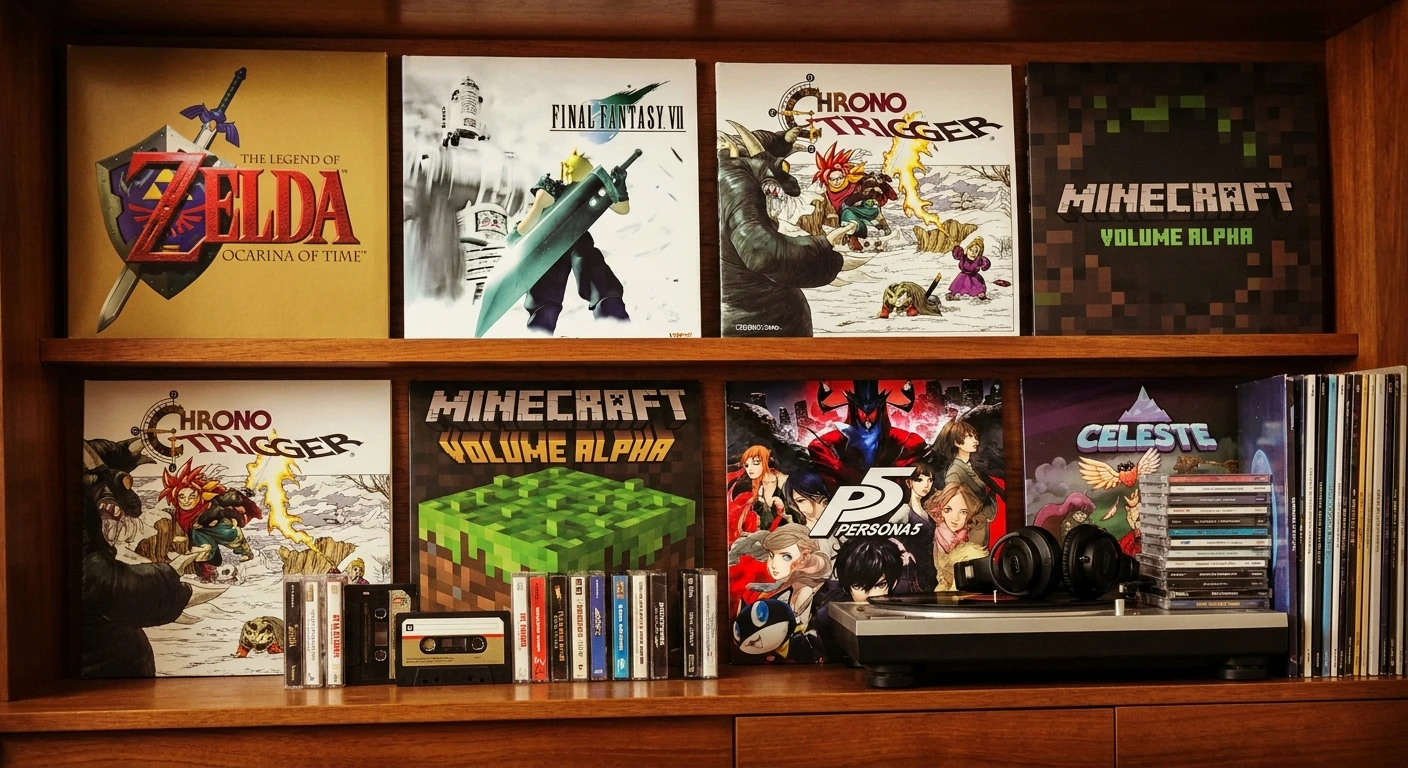
Absolutely. The vinyl market for gaming audio has completely exploded in recent years. Boutique record labels like iam8bit and Materia Collective press incredibly gorgeous, high-quality physical records featuring custom artwork that are highly sought after by serious collectors.
As we push through 2026, the sheer quality and accessibility of the best video game soundtracks have never been better. Whether you desperately need to focus on a massive work project, hit a new personal best at the gym, or just want to relax and feel completely transported to another world, these incredible compositions are your perfect auditory companion. The brilliant lack of distracting lyrics and the expertly crafted looping structures make them the ultimate tool for controlling your environment. Grab your best headphones, hit play on a legendary score, and completely transform your productivity today. Share your absolute favorite track in the comments below!
Leave a Reply