

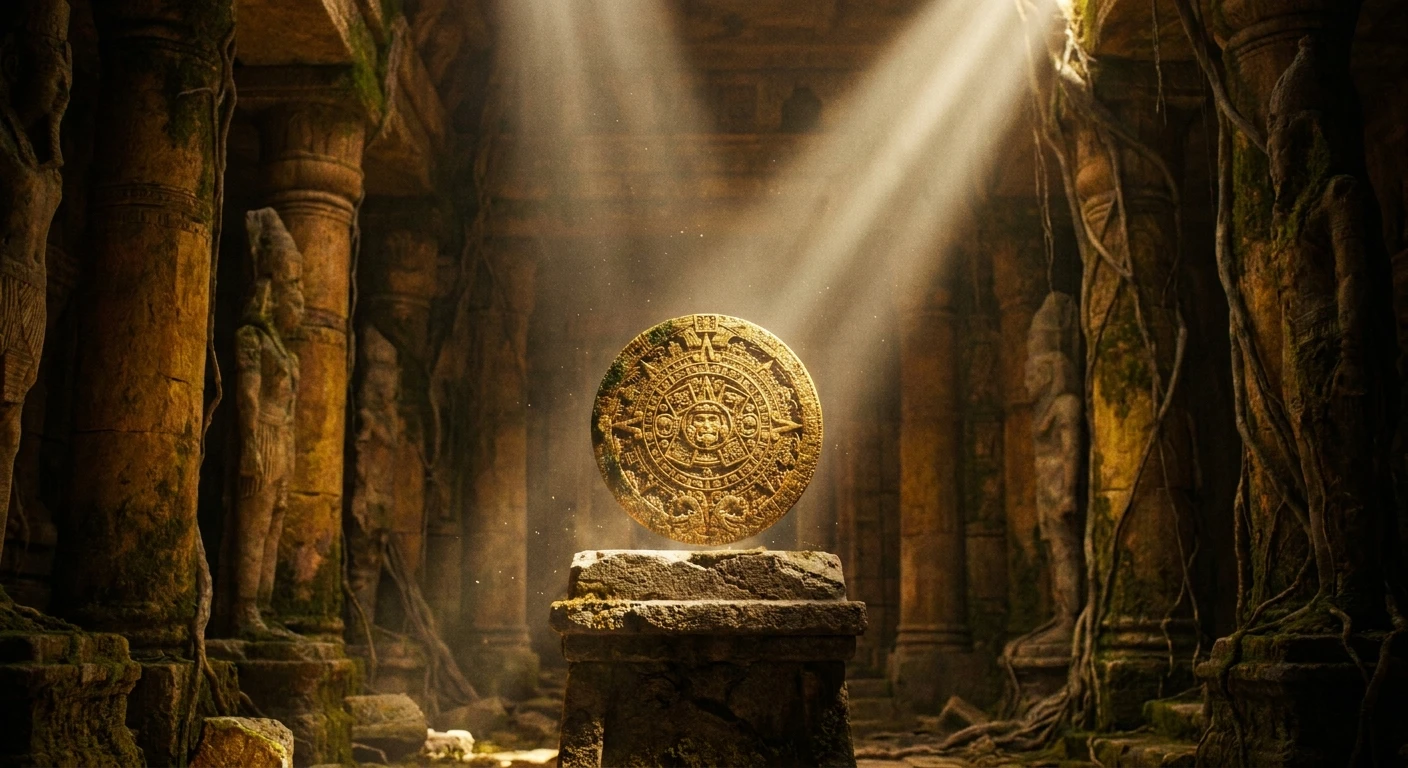
A Date to Remember Indiana Jones: Planning Your Ultimate Cinematic Adventure
You know that exact feeling when the brass fanfare hits, the map lines start tracing across the globe, and the ultimate hero steps out of the shadows. Setting a date to remember Indiana Jones is entirely about capturing that pure, unadulterated movie magic. We are talking about the ultimate cinematic archaeologist, a character who single-handedly defined blockbuster adventure for generations. When you set aside a specific weekend or week to celebrate this iconic franchise, you are not just watching movies; you are honoring a monumental piece of pop culture history. George Lucas and Steven Spielberg created a hero who relies on his wits, a trusty fedora, and a healthy dose of luck. To truly appreciate the scale of these films, structuring a proper marathon is essential. You get to witness the evolution of practical effects, the mastery of cinematic pacing, and the incredible character arc portrayed by Harrison Ford. Whether you are revisiting the snake-filled tombs of Egypt or the high-speed chases through Venice, dedicating a focused block of time ensures you catch every brilliant detail. Grab your popcorn, clear your schedule, and get ready for a legendary viewing experience.
The Core Blueprint for Your Adventure Marathon
Creating the perfect environment for your marathon means understanding the chronological timeline versus the theatrical release order. The franchise famously jumps around in time, requiring viewers to decide exactly how they want to experience the narrative. If you watch them chronologically by the in-universe timeline, you actually begin with the prequel, which dramatically shifts the emotional resonance of the later films. Planning this out gives you a structured way to appreciate the underlying themes of each era, from the 1930s pulp aesthetics to the late 1960s space-race paranoia. It is an amazing way to see how the character ages, adapts, and occasionally grumbles his way through history.
Read also: Fable 2025: The Ultimate Xbox RPG Revival; The Best Video Game Soundtracks of All Time.
| Franchise Entry | In-Universe Year | Core MacGuffin |
|---|---|---|
| Temple of Doom | 1935 | Sankara Stones |
| Raiders of the Lost Ark | 1936 | Ark of the Covenant |
| The Last Crusade | 1938 | The Holy Grail |
| Kingdom of the Crystal Skull | 1957 | Akator Skull |
| Dial of Destiny | 1969 | Archimedes Dial |
Structuring your watch party around this timeline offers some massive benefits for any movie fan. First, you get seamless historical continuity. You see the geopolitical landscape shift from the looming threats of the 1930s right through the Cold War. Second, you witness the protagonist’s emotional growth in perfect sequence, watching him evolve from a slightly cynical fortune hunter into a dedicated father and respected academic. Third, the thematic elements build up logically, making the callbacks in the final installment hit incredibly hard.
To guarantee your marathon is an absolute triumph, you need to prepare properly. Follow these essential setup steps:
- Secure high-definition versions of the films, preferably the 4K remasters, to fully appreciate Douglas Slocombe’s stunning cinematography and the vibrant color grading of the original prints.
- Upgrade your audio setup. John Williams’ legendary score demands a proper sound system with rich bass to handle the sweeping orchestral crescendos and Ben Burtt’s incredible sound design.
- Curate a culturally inspired snack menu reflecting the global locations featured in the films, keeping things fun and thematic without straying into the bizarre culinary choices presented in the Pankot Palace.
- Prepare a list of trivia facts regarding the incredible practical stunts to share during intermissions, keeping the energy high between features.
Origins of the Archeological Hero
The concept famously originated on a beach in Hawaii. George Lucas, wanting to escape the intense pressure of a major sci-fi movie release, built sandcastles with Steven Spielberg. Spielberg mentioned his lifelong dream of directing a slick British spy film. Lucas countered with something better: a throwback to the rugged, cliffhanging pulp serials of the 1930s. He envisioned a globe-trotting archaeologist named Indiana Smith. Thankfully, Spielberg suggested changing the surname to Jones. This single conversation laid the foundation for an entirely new blueprint of the action hero. Unlike the indestructible strongmen that dominated later decades, this hero was constantly outmatched, frequently beaten up, and survived by the skin of his teeth. This vulnerability made him instantly relatable. The character was initially offered to Tom Selleck, who had to decline due to television network commitments. Harrison Ford stepped in just weeks before production began, bringing a rugged, cynical charm that permanently defined the role. The origins are a masterclass in collaborative filmmaking, mixing Lucas’s grand narrative structure with Spielberg’s unmatched visual dynamism.
Evolution of Action Cinema
Once the character hit the silver screen, the landscape of action cinema changed overnight. The initial entry brought a gritty, tactile realism to adventure movies. Stuntmen performed incredibly dangerous feats, dragging underneath moving trucks and dodging massive rolling boulders. The evolution across the decades mirrors the technical advancements of the film industry itself. The early films relied heavily on elaborate matte paintings, detailed miniatures, and ingenious camera trickery. By the time the fourth film arrived in the late 2000s, digital effects had taken center stage, changing the visual texture of the action sequences. Yet, the core DNA remained the same: kinetic, fast-paced choreography where the environment itself acts as a character in the fight. The influence is visible everywhere, spawning countless video game franchises, copycat movies, and adventure tropes that are still heavily utilized today.
Modern State of the Franchise
Currently, the franchise stands as a completed cinematic saga. With the release of the final film directed by James Mangold, the story was brought to a poignant close. The modern era of the series deals heavily with themes of aging, obsolescence, and the march of time. It beautifully contrasts a hero rooted in the past with a rapidly modernizing world obsessed with the future. The franchise has successfully transitioned from purely practical 1980s filmmaking to utilizing groundbreaking digital de-aging technology for extensive flashback sequences. While the movies are finished, the legacy lives on through highly anticipated video games, extensive merchandise lines, and a permanent, massive footprint on pop culture. Setting up a marathon now means experiencing a fully complete narrative arc from a young, brash adventurer to a weathered, wise veteran.
Cinematic Techniques and Practical Effects
The technical brilliance behind these films is staggering. The production teams revolutionized how action was captured on celluloid. They utilized traditional matte paintings created by brilliant artists to establish massive, sprawling vistas that did not actually exist. Rear projection was heavily employed for vehicle sequences, seamlessly blending studio shots of the actors with frantic, on-location background footage. The sound design by Ben Burtt is legendary. He famously recorded the sound of a rollercoaster for the runaway mine cart sequence and snapped his own leather whip in a silent studio to create the iconic cracking audio. The lighting, primarily spearheaded by cinematographer Douglas Slocombe, used deep shadows and stark contrasts inspired by classic film noir, giving the movies their signature dusty, dangerous aesthetic.
Historical Artifacts vs. Hollywood Fiction
The films famously blend real historical mythology with wild pulp fiction. The artifacts featured are rooted in genuine historical legends, heavily dramatized for the sake of pacing and stakes. The blending of historical fact with supernatural fantasy is a delicate balancing act that the screenwriters perfected. Let us look at some of the technical facts behind the movie lore:
- The Ark of the Covenant is genuinely described in biblical texts as a gold-covered wooden chest containing the two stone tablets of the Ten Commandments. The movie accurately recreates its biblical description based on the Book of Exodus, right down to the carrying poles.
- The Sankara Stones are heavily inspired by the Shiva Linga stones of Hindu mythology, which are representations of the deity Shiva, though the magical glowing properties are pure Hollywood invention.
- The Holy Grail has absolutely no single historical description, stemming entirely from medieval Arthurian literature. The film cleverly chose a simple, humble clay cup, subverting the expectation of a jewel-encrusted chalice based on historical interpretations of a carpenter’s lifestyle.
- The Antikythera mechanism, which inspired the Archimedes Dial, is a very real, incredibly complex Ancient Greek analog computer used to predict astronomical positions and eclipses, discovered in a shipwreck in 1901.
Day 1: Setting the Atmosphere
Kick off your marathon by establishing the perfect viewing environment. Dim the lights, test your sound system to ensure the dialogue is crisp and the bass is deep, and prepare your snacks. This is the day to gather your supplies, read up on the history of the 1930s pulp serials that inspired the series, and get your friends or family hyped for the adventure ahead. Preparation is everything when setting up a multi-day cinematic journey.
Day 2: The 1936 Peruvian Jungle
Begin the actual viewing with the masterpiece that started it all. Pay close attention to the opening sequence; it is widely considered one of the greatest character introductions in cinema history. Notice how the hero’s face is obscured for the first few minutes, building incredible anticipation. Discuss the brilliant use of shadows, the iconic boulder chase, and the masterful tension during the map room sequence in Egypt.
Day 3: The 1935 Prequel Adventure
Shift gears to the darker, more intense prequel. This entry is famous for its drastically different tone, leaning heavily into horror elements and fast-paced slapstick comedy. Focus on the incredible practical effects during the mine cart chase, achieved using miniature models and modified camera speeds. Talk about how this specific movie directly led to the creation of the PG-13 rating in the United States film industry.
Day 4: The 1938 Father-Son Quest
This is often the crowd favorite. The addition of Sean Connery changes the entire dynamic, turning the rugged action movie into a brilliant buddy-comedy. Notice how the action set pieces, like the tank chase in the desert and the boat pursuit in Venice, are perfectly balanced with hilarious, character-driven dialogue. The emotional core of the franchise reaches its peak here, culminating in the breathtaking finale at Al Khazneh in Petra, Jordan.
Day 5: The 1957 Atomic Age
Leap forward two decades into the paranoia of the Cold War. The aesthetic shifts from dusty 1930s serials to 1950s B-movie sci-fi. Observe the heavy use of early CGI and the distinct change in lighting. Discuss the integration of aliens, nuclear tests, and McCarthy-era red scares. It is a fascinating pivot that attempts to update the character for a completely different cinematic era, reflecting the changing fears of the time.
Day 6: The 1969 Space Race Era
Conclude the cinematic journey with the final, poignant chapter. Analyze the spectacular opening sequence that utilizes digital de-aging technology to drop viewers right back into 1944. Compare the character’s melancholic state in 1969 with his energetic youth. Appreciate the thematic closure, the focus on the relentless passage of time, and the emotional final scene that beautifully mirrors the earliest moments of the franchise.
Day 7: Exploring the Extended Universe
Finish your week by exploring the incredible extended universe. The video games, particularly the legendary point-and-click adventures from the 1990s, offer fantastic original stories. Read up on the comic books, the novelizations, and the television series chronicling the character’s youth. The lore expands far beyond the silver screen, providing endless entertainment for a dedicated fan who wants to keep the adventure rolling.
Debunking Franchise Myths
Myth: The hero’s iconic fedora and jacket were chosen just because they looked cool. Reality: The costume designer specifically modeled the outfit after the classic adventure serials, weathering the leather jacket intensely before filming so it appeared well-worn and authentic to a seasoned traveler.
Myth: The legendary sword-versus-gun fight in the Cairo marketplace was carefully scripted and choreographed for months. Reality: Harrison Ford was suffering from severe food poisoning that day. Instead of filming a complex, three-day whip fight, he suggested simply shooting the villain, resulting in one of the funniest and most memorable moments in movie history.
Myth: The giant rolling boulder in the opening sequence was a massive, dangerous real rock. Reality: It was actually made of fiberglass, wood, and plaster. While it weighed roughly 300 pounds and was still dangerous if it hit someone, it was far from a solid stone.
Frequently Asked Questions
Who exactly created the character?
George Lucas created the core concept and story, while Steven Spielberg directed the most famous entries, and Lawrence Kasdan wrote the defining screenplay for the first film.
What is the character’s real name?
His actual birth name is Henry Walton Jones Junior. He adopted his famous nickname from his beloved childhood dog, an Alaskan Malamute.
Did Harrison Ford perform his own stunts?
He performed an incredible amount of his own stunt work, particularly in the earlier films, working closely with legendary stunt double Vic Armstrong, who looked remarkably similar to him.
What specific type of hat does he wear?
He wears a sable-colored fedora. The original hat was supplied by the famous Herbert Johnson hat shop in London and was specifically crushed and shaped to look heavily used.
How long is a complete movie marathon?
If you watch all five theatrical films back-to-back without breaks, the total runtime is approximately ten and a half hours, making it a perfect weekend event.
What is the famous whip made of?
The iconic bullwhips used in the production were hand-crafted from tightly braided kangaroo hide by a legendary whip maker named David Morgan.
Why are snakes featured so prominently?
The character’s intense fear of snakes, known as ophidiophobia, was a specific character flaw added by the writers to make the otherwise fearless hero more vulnerable and relatable to the audience.
Is the timeline easy to follow?
Yes, though the second released film is technically a prequel. Watching them in theatrical release order is the most popular method, but chronological viewing offers a fresh, unique perspective.
Will there be any more movies?
The studio and the lead actor have definitively stated that the fifth film marks the absolute final conclusion to the character’s cinematic journey.
Conclusion and Next Steps
Planning a date to remember Indiana Jones guarantees a thrilling journey through cinema history. You have the ultimate blueprint, the timeline, the trivia, and the schedule. You are fully equipped to experience the heart-pounding action, the sweeping orchestral themes, and the unforgettable dialogue that shaped modern pop culture. Do not wait for a museum to claim these movies as ancient history. Call your friends, fire up your screen, and start your adventure today!
Leave a Reply