

How Does My Hero Academia End? A Complete Breakdown
If you are catching up on manga and wondering exactly how does My Hero Academia end, you are definitely not alone. Kohei Horikoshi wrapped up his legendary series in August 2024 with Chapter 430, leaving millions of readers processing a highly emotional and surprising finale. Izuku Midoriya began his journey as a quirkless boy desperate to emulate his idol, All Might. By the time the final pages turn, his story reaches a conclusion that perfectly prioritizes the thematic core of communal effort over individual glory.
Instead of crowning a single undisputed champion of the universe, the manga shows adult Class 1-A navigating a society where everyday people pitch in to maintain peace. Deku finds a new way to be a hero even after losing the embers of One For All. The narrative establishes that true heroism is not just about punching villains with superhuman strength, but about lifting up the next generation. You get a raw, honest look at the sacrifices required to change society. The ending deliberately steps away from traditional power-scaling tropes to deliver a grounded, heartfelt message about teamwork, education, and lasting legacy.
Read also: Daybreak Season 2: The Final Verdict and Fan Movement; Why project hail mary Is the Ultimate Sci-Fi Masterpiece.
The Core Resolution of Midoriya’s Journey
The primary conflict concludes when Deku willingly transfers the remaining vestiges of One For All to destroy the villainous All For One from the inside. This strategy permanently burns out his quirk. The story then fast-forwards eight years. We see an adult Izuku Midoriya working as a respected teacher at U.A. High School. He is guiding the next generation of heroes, much like All Might and Shota Aizawa did for him. The immense benefit of this narrative choice is that it grounds the heroes and honors the initial premise of the manga. Anyone can be a hero, regardless of their innate powers.
There are a few standout examples of how this theme plays out. First, society itself has changed; ordinary citizens step up to prevent minor crimes and support each other, reducing the heavy lifting previously placed solely on Pro Heroes. Second, Deku’s friends never forget his sacrifice. While they are busy with their professional hero careers, they secretly pool their wealth to fund a massive project for him.
Here is a quick look at where a few main characters end up after the eight-year time skip:
| Character | Final Status | Key Contribution to Society |
|---|---|---|
| Izuku Midoriya | U.A. High School Teacher | Educating and inspiring the next generation of heroes. |
| Katsuki Bakugo | Top Pro Hero | Leading the charge in field operations and funding Deku’s return. |
| Ochaco Uraraka | Pro Hero & Advocate | Expanding quirk counseling programs to help isolated children. |
The final chapter establishes several massive shifts for the series universe:
- The absolute destruction of All For One and the League of Villains, bringing an end to the generational war.
- Izuku Midoriya’s transition into an educator role, proving that teaching is a supreme form of heroism.
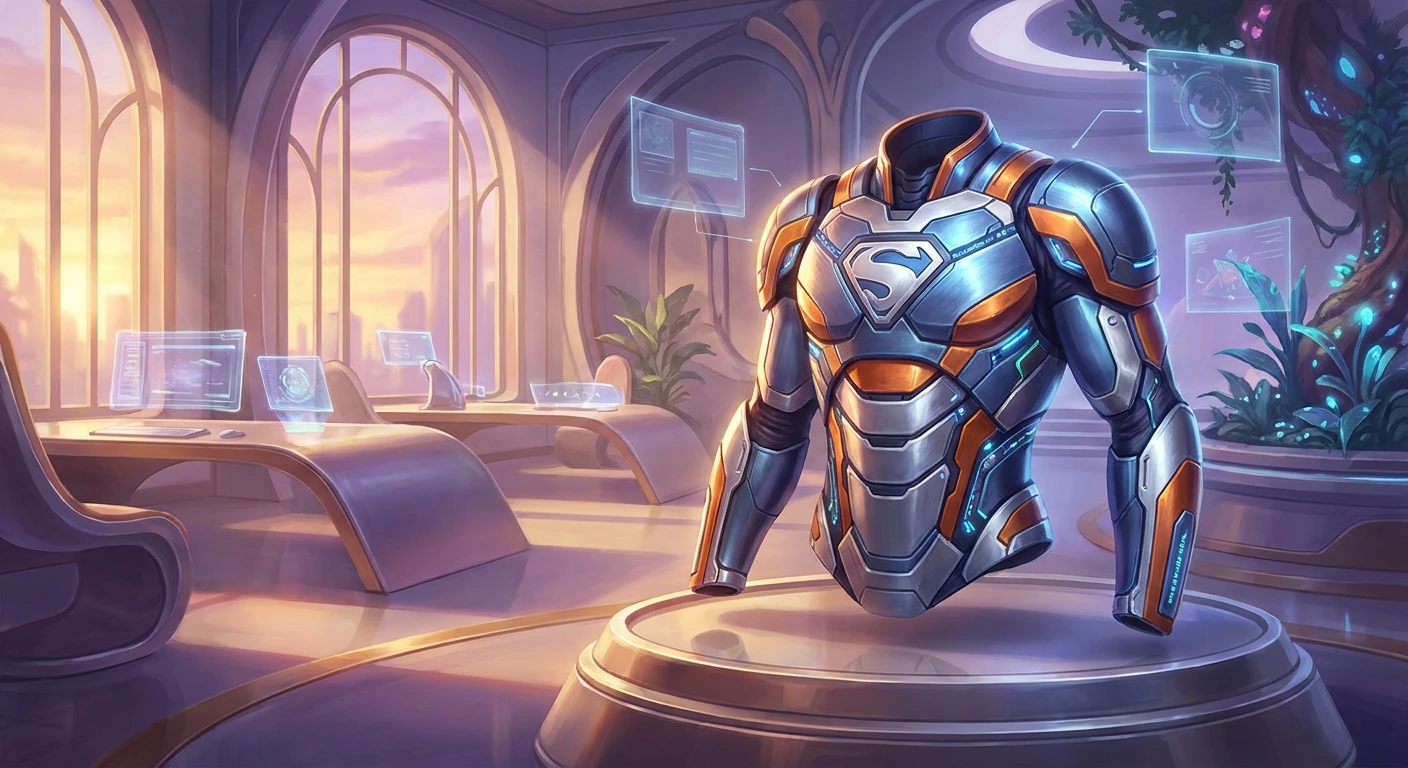
- The presentation of a multi-million dollar, high-tech armored suit, financed by Class 1-A, allowing Deku to return to active hero work alongside his friends.
Origins of the Hero Society
To fully appreciate the ending, you have to look back at the origins of the series’ society. At the beginning of the manga, hero work was highly individualized, heavily commercialized, and reliant on a single pillar of peace: All Might. This system created massive blind spots. Villains like Hero Killer Stain and Tomura Shigaraki slipped through the cracks of a society that expected Pro Heroes to handle every single problem. The intense pressure to rank highly on the Billboard Charts caused heroes to focus more on flashy saves than on the underlying social issues that created villains in the first place.
Evolution of the Hero System
As the narrative progressed through the Paranormal Liberation War and the Dark Hero arc, the flawed nature of relying on one symbol became glaringly obvious. Midoriya tried to take the entire burden of saving Japan onto his own shoulders, nearly destroying himself in the process. His friends in Class 1-A had to physically stop him, forcing an evolution in how they operated. The slogan shifted from All Might’s “I am here” to a collective “We are here.” This philosophical evolution laid the groundwork for the final chapter’s resolution, where peace is maintained by a vast network of cooperating heroes rather than a single demigod.
The Post-War Society State
By the time we reach the eight-year time skip in Chapter 430, the modern state of heroics looks entirely different. Crime rates have plummeted. Because civilians are now proactive about offering a helping hand to those who look distressed, fewer individuals fall into villainy. The intense, hyper-competitive hero rankings still exist, but the toxic culture surrounding them has evaporated. Former students like Shoto Todoroki and Katsuki Bakugo are widely celebrated, but they operate within a balanced ecosystem where medical workers, quirk counselors, and teachers like Midoriya hold equal societal value.
The Mechanics of One For All’s Transfer
Understanding the exact mechanics of the final battle clarifies why Midoriya ended up quirkless. One For All was a stockpiling quirk that passed down the accumulated strength and consciousness of its past users. During the final clash, the “Singularity” of the quirk reached a critical mass. Midoriya realized that traditional physical attacks were not enough to break through Shigaraki’s absolute regeneration and the oppressive control of All For One. He forcefully transferred the vestiges of the previous users directly into Shigaraki’s mind. This caused an internal overload that shattered the villain’s mental barriers, ultimately allowing Deku to reach Shigaraki’s core and destroy the threat completely.
Armored Suit Technology
The most exhilarating moment of the epilogue is when All Might arrives with a specialized briefcase. He presents Deku with mechanized armor designed specifically to mimic quirk abilities. This suit is the culmination of global technological advancement and the deep bond of Class 1-A. Characters like Mei Hatsume and Melissa Shield spent years developing the technology, while Katsuki Bakugo spearheaded the funding campaign, utilizing the substantial earnings from the class’s professional careers. The suit allows Midoriya to step back onto the battlefield, ensuring he does not have to watch from the sidelines forever.
- One For All functioned as a stockpiling quirk that eventually became too powerful for a normal human body to safely inherit.
- The forceful transfer of the vestiges acted as a psychological and physical weapon against a nearly invincible opponent.
- Eri’s Rewind quirk was used strategically during the war to heal critical injuries, but it was not used to restore One For All.
- The mechanized armor utilizes advanced engineering to replicate superhuman strength, mobility, and defensive capabilities, proving that science can rival natural quirks.
Step 1: Reading the Final War Climax
Start your journey by reading the Final War Arc spanning Chapters 343 to 423. This massive section covers the multi-front battles across Japan. You will see every character push past their absolute limits. Pay close attention to the fight between Deku and Shigaraki, as the philosophical debates here set up the ultimate resolution of the entire manga.
Step 2: Experiencing the Epilogue Chapters
Next, move to Chapters 424 through 429. These epilogue chapters are crucial for pacing. They show the immediate aftermath of the war. Cities are destroyed, characters are mourning the fallen, and the painstaking process of rebuilding begins. You get to see the emotional fallout and the immediate societal changes triggered by the end of the conflict.
Step 3: Navigating the Eight-Year Time Skip
Open Chapter 430 and brace yourself for the eight-year jump. This step requires adjusting to the fact that the teenage cast is now in their mid-twenties. Observe the visual changes in the characters and note the tranquil atmosphere of a city that has finally found lasting peace.
Step 4: Evaluating Midoriya’s Teaching Career
Take time to appreciate Deku’s role as a U.A. High School teacher. He is shown counseling young students who have weak or problematic quirks, guiding them with the exact same compassion he wished someone had shown him when he was a quirkless middle schooler.
Step 5: Understanding Shigaraki’s Final Moments
Reflect on the tragic conclusion of Tomura Shigaraki. Although Shigaraki crumbles into dust and dies, Deku successfully saves his soul from the manipulative grasp of All For One. Shigaraki’s final moments acknowledge Deku’s effort, offering a poignant close to their dynamic.
Step 6: Appreciating the Armored Suit Unveiling
Experience the joy of the final pages where the high-tech suit is presented. Acknowledge the immense growth of Katsuki Bakugo, who organized the funding. This moment signifies that Deku’s friends always intended to bring him back into their ranks.
Step 7: Reflecting on the Core Message
Finally, synthesize the entire experience. The story ends with Midoriya rushing out to join his friends on a hero mission. The ultimate message is clear: true heroes elevate everyone around them, creating a world where no one is left behind to struggle in isolation.
Myths and Reality of the Finale
Because the manga ending leaked online in fragmented pieces, a lot of misinformation spread rapidly. Let us clear up the confusion.
Myth: Deku ends up working a miserable minimum-wage job and loses all contact with his friends.
Reality: Deku is a highly respected teacher at the most prestigious hero academy in the country. While his friends are busy with their demanding Pro Hero schedules, they remain incredibly close, going so far as to finance his multi-million dollar hero suit. They never abandoned him.
Myth: Shigaraki survives the final battle and is rehabilitated into a hero.
Reality: Shigaraki perishes at the end of the final war. The damage to his body and the destruction of All For One result in his death, though he finds a measure of peace in his final conversation with Midoriya.
Myth: Deku and Ochaco Uraraka get married and have kids.
Reality: The manga leaves all romantic relationships highly ambiguous. While their deep mutual affection is evident, there are no confirmed marriages or children among the main student cast in the final chapter.
Does Deku lose his quirk permanently?
Yes, Izuku Midoriya permanently loses One For All by the end of the final battle. He transfers the last remaining embers to defeat All For One and lives the next eight years completely quirkless until he receives the mechanical suit.
Do Bakugo and Deku stay friends?
Absolutely. Their rivalry matures into a deep, mutual respect. Bakugo is actually the main driving force behind raising the money for Deku’s high-tech armored suit, proving his profound loyalty to his childhood friend.
What happens to All Might?
All Might survives the final war against all odds. In the eight-year time skip, he is shown living a peaceful life, still offering guidance to Deku. He is the one who personally delivers the armored suit to Midoriya in the final pages.
Who becomes the Number One Hero?
The story deliberately moves away from the toxic hyper-fixation on hero rankings. While characters like Mirio Togata, Bakugo, and Todoroki are wildly popular and successful, the narrative focuses on how they all work together rather than crowning a single “Number One” symbol of peace.
Is there a sequel manga planned?
As of right now, Kohei Horikoshi has not announced any official sequel manga for My Hero Academia. The ending is highly definitive, bringing the main narrative arcs of Class 1-A to a satisfying and permanent close.
Does Todoroki forgive his father?
The Todoroki family storyline concludes with a complex, nuanced resolution. Shoto and his family visit a permanently incapacitated Endeavor. While they do not completely forgive his past abuse, they choose to face the future together as a flawed but healing family unit.
What does Uraraka do in the future?
Ochaco Uraraka becomes a highly successful Pro Hero and uses her platform to expand quirk counseling services across the nation. She aims to prevent isolated and misunderstood children from turning to villainy, directly addressing the societal flaws that created Himiko Toga.
Wrapping up exactly how does My Hero Academia end requires acknowledging that Kohei Horikoshi chose thematic resonance over flashy power fantasies. Izuku Midoriya saved the world, lost his powers, dedicated his life to teaching, and was ultimately rewarded by the very friends he inspired along the way. It is a beautiful, full-circle narrative that redefines what it means to be a hero. If you found this breakdown helpful, share it with your fellow anime and manga fans so they can understand the true depth of Class 1-A’s final chapter!
Leave a Reply