

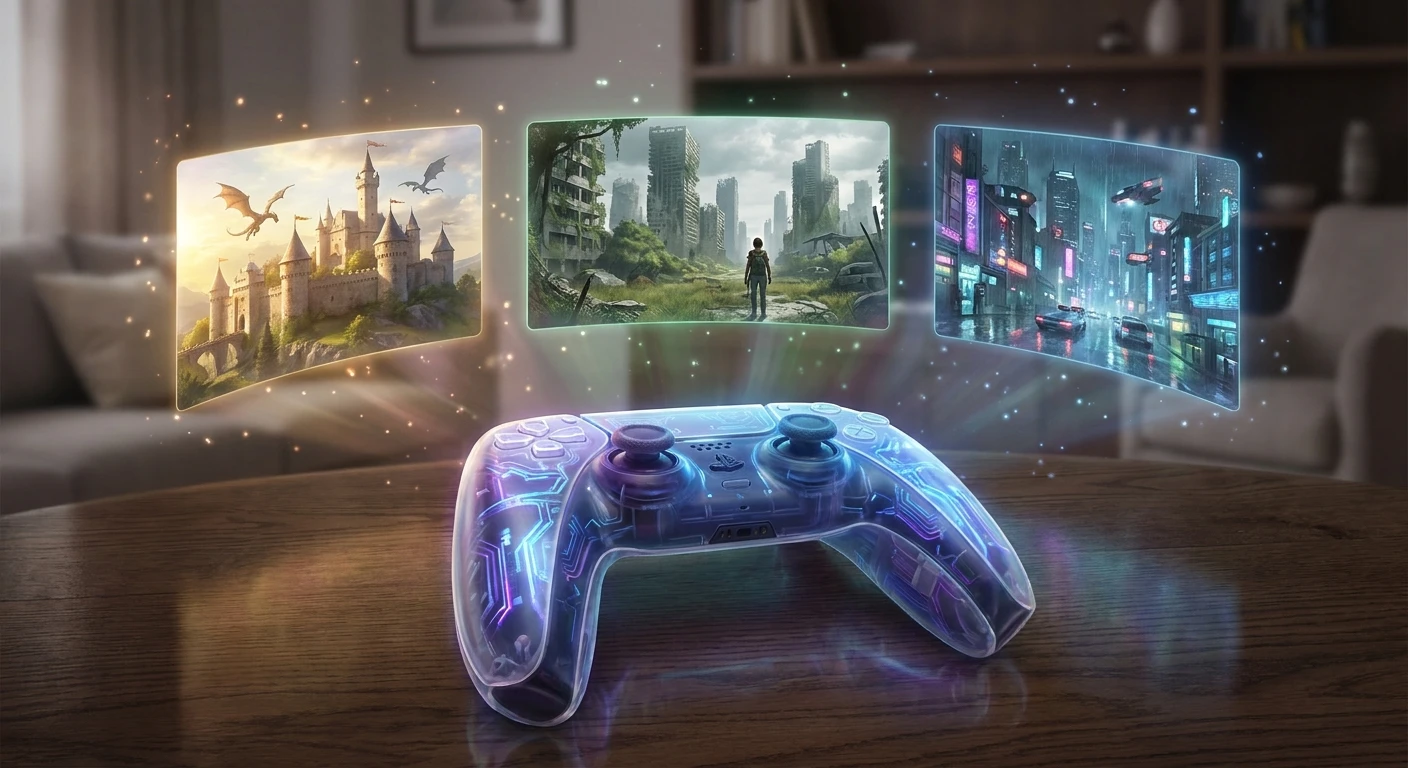
Why 2022 Video Games Still Dominate Our Screens
Looking back from where we proudly stand now in 2026, the sheer impact of 2022 video games remains entirely unmatched. That twelve-month window delivered a staggering variety of massive open-world epics, tightly crafted indie masterpieces, and narrative-driven adventures that fundamentally altered player expectations across the globe. You do not get a year packed with this much quality by accident. The industry experienced a perfect storm of delayed production cycles, next-generation hardware adoption, and bold creative risks all converging at the exact same time.
The thesis is simple: the interactive entertainment released during that specific period established the modern blueprint for how digital worlds are designed, monetized, and consumed. Developers finally stopped holding the player’s hand, opting instead for organic exploration and punishing but rewarding combat loops. Graphic engines fully utilized the speed of solid-state drives, eliminating load times and allowing for seamless transitions between cinematic cutscenes and active gameplay. The sheer volume of high-tier releases made it almost impossible to keep up, creating a backlog of legendary titles that gamers are still working their way through years later. The legacy left behind continues to act as the primary benchmark against which all current software is violently measured.
Read also: The Best Video Game Soundtracks of All Time; The Best life sim Strategy Guide.
The Core Impact of the Year’s Biggest Releases
To truly grasp the magnitude of this era, you have to look at the mechanical innovations that these titles brought to the forefront. The primary value proposition of these releases was the marriage of high-fidelity graphics with unprecedented mechanical freedom. Developers finally trusted the intelligence of their audience. For instance, open-world exploration shifted away from map markers and cluttered user interfaces. Games gave players absolute agency in navigating hostile fantasy worlds, relying on visual landmarks and sheer curiosity to drive progression. Furthermore, narrative adventures pushed the boundaries of cinematic storytelling, utilizing single-take camera techniques that never cut away from the action, building immense emotional tension.
Here is a breakdown of how specific genres were elevated:
| Game Genre | Landmark Title Focus | Core Innovation |
|---|---|---|
| Open World RPG | Elden Ring | Open-ended exploration entirely without traditional map markers or quest logs. |
| Narrative Action | God of War Ragnarök | Seamless single-take camera storytelling blending gameplay and cutscenes perfectly. |
| Indie Simulation | Stray | Unique non-human protagonist mechanics with dedicated environmental interactions. |
To get the absolute most out of these sprawling digital universes, you need a solid approach. Jumping blindly into massive hundred-hour campaigns can lead to rapid burnout. Follow these precise methods to maximize your enjoyment:
- Ensure your hardware is fully updated and equipped with ample solid-state storage to handle the massive file sizes and uncompressed high-resolution texture packs.
- Dedicate specific, uninterrupted blocks of time for your sessions, as many of these campaigns require deep focus to master complex combat systems and sprawling skill trees.
- Play with a high-quality stereo headset to fully appreciate the award-winning spatial 3D audio design that many of these developers heavily invested in.
- Resist the urge to look up walkthroughs immediately; the most profound satisfaction comes from organically solving environmental puzzles and discovering hidden areas on your own.
These mechanics did not just entertain; they demanded active cognitive engagement, which is exactly why they possess such incredible staying power in our current gaming landscape.
The Origins of the Release Schedule
The unprecedented density of high-quality releases did not happen in a vacuum. The origins trace directly back to the global supply chain and workflow disruptions of 2020 and 2021. Development studios worldwide were forced to transition to remote work environments, which inherently slowed down the complex pipelines required for motion capture, voice acting, and quality assurance testing. As a direct result, massive flagship projects from various publishers faced mandatory delays. Publishers pushed their targeted launch windows back by six to eighteen months. This created a massive, industry-wide bottleneck. When workflows normalized, the dam broke. An avalanche of AAA projects and highly polished independent games suddenly shared the same twelve-month release calendar, creating a golden era of consumer choice.
The Evolution of Game Mechanics
As these titles finally hit the market, a clear evolution in game design philosophy became evident. The previous decade was heavily characterized by checklist-style open worlds, where players moved passively from icon to icon on a mini-map. The new wave actively rebelled against this. Developers implemented mechanics that forced players to observe their environments, read the terrain, and listen to non-playable characters for contextual clues. Combat systems evolved as well, moving away from simple button-mashing toward tactical, stamina-based encounters that punished greed and rewarded patience. This evolution shifted the medium from passive consumption to highly active participation.
The Modern State of These Titles
Looking at them right now, the modern state of these interactive experiences is incredibly healthy. They have not simply faded into the archives. Developers have continually supported these titles with massive expansions, balancing patches, and next-generation optimization updates. Furthermore, the PC modding community has taken the foundational code of these hits and expanded them exponentially, adding new characters, difficulty modifiers, and entirely new storylines. They remain the gold standard for game design courses and the primary reference point for critics evaluating new software.
Understanding Next-Gen Engine Capabilities
The technical leap achieved during this window fundamentally changed digital artistry. Proprietary game engines and newly adopted universal platforms like Unreal Engine 5 became the absolute standard. We saw a massive shift in how light and shadows were rendered. Ray Tracing, a rendering technique that simulates the physical behavior of light bouncing off various surfaces, moved from a niche high-end PC feature to a standard console expectation. Water reflections accurately mirrored the environment, and neon lights cast realistic hues across wet cobblestone streets. Additionally, the integration of Haptic Feedback completely overhauled how a game feels in the hands. Controllers utilized highly advanced internal motors to simulate specific textures, allowing a player to genuinely feel the difference between their character walking through thick mud versus sliding across slick ice.
The Psychology of Player Engagement
Beyond the graphics, the underlying psychology of why these specific titles kept audiences hooked for hundreds of hours is fascinating. Game designers perfected the dopamine loop of intrinsic motivation. Instead of rewarding the player with arbitrary points, they rewarded them with breathtaking vistas, hidden lore, and a genuine sense of mastery over difficult systems. Overcoming high-difficulty spikes provides immense cognitive satisfaction, triggering a chemical reward in the brain that keeps the player deeply engaged.
- Solid State Drives (SSDs) virtually eliminated traditional loading screens, allowing for instantaneous fast travel and unbroken immersion.
- Machine learning algorithms were utilized to upscale resolutions dynamically, ensuring graphics remained crisp without ever sacrificing crucial frame rates.
- Advanced photogrammetry allowed environmental artists to scan real-world textures directly into the game engines, creating hyper-realistic bark, stone, and foliage.
- Spatial 3D audio calculations processed hundreds of simultaneous sound sources, calculating distance and obstacles to create entirely realistic acoustic environments.
Day 1: Step into the Dark Fantasy Realm
Begin your seven-day gaming regimen by booting up the year’s most punishing and rewarding open-world RPG. Spend your first hours ignoring the critical path entirely. Wander in a random direction, get a feel for the brutal, unforgiving combat, and learn that running away from a towering boss is often the smartest tactical decision you can make.
Day 2: Survive the Post-Apocalyptic West
Switch gears entirely to a vibrant, sci-fi tribal setting. Focus on hunting colossal, biomechanical creatures. Marvel at the dense, colorful foliage and incredible facial animations that serve as a pure showcase for raw, unbridled graphical processing power. Spend time mastering the bow mechanics to strip armor off your robotic prey.
Day 3: Prowl Cyberpunk Slums as a Feline
Take a necessary breather with a shorter, highly atmospheric independent hit. Navigate rain-slicked, neon-lit alleys from the perspective of a stray cat. Knock over virtual paint cans, meow at robotic citizens, and enjoy the seamless vertical platforming that offers a wholly unique perspective on environmental storytelling.
Day 4: Prepare for Norse Armageddon
Engage with a cinematic, father-son adventure set against the backdrop of an impending mythological apocalypse. Experience the seamless narrative flow and brutal, weight-heavy axe combat. Pay close attention to the intricate character development and the phenomenal voice acting that rivals high-budget Hollywood cinema.
Day 5: Master the Art of Vengeance
Challenge your reflexes with a martial arts brawler that ages your character physically every single time you fail. Learn the precise parry timings, study enemy attack patterns, and find the perfect rhythm of the fight. This day is purely about mastering a tight, skill-based loop.
Day 6: Build a Quirky Dark Cult
Mix frantic roguelike action with meticulous base-building management. Step into the shoes of a possessed lamb tasked with managing a growing flock of followers. Balance the chaotic hack-and-slash dungeon crawling with the strangely relaxing mechanics of farming and expanding your bizarre little empire.
Day 7: Speed Through a Sonic Frontier
Finish off the week by sprinting through an experimental open-zone platformer. Collect thousands of rings, solve massive environmental puzzles, and enjoy the high-speed thrill ride. It represents a bold new direction for a classic franchise and serves as a highly kinetic palate cleanser.
Myths & Reality: Clearing the Air
Myth: The biggest games released that year were strictly designed for hardcore enthusiasts and were entirely too difficult for casual players to enjoy.
Reality: While certain massive RPGs certainly demanded patience and learning, they heavily compensated by offering countless alternative paths, magic systems, and multiplayer summoning mechanics to help absolutely anyone succeed at their own pace.
Myth: Independent games were completely overshadowed and buried by the massive studio marketing budgets.
Reality: Smaller, highly creative titles won numerous prestigious industry awards. Games featuring cats, cults, and unique deck-building mechanics captured massive, dedicated audiences by offering fresh gameplay loops that AAA studios were too risk-averse to attempt.
Myth: You absolutely needed a wildly expensive, high-end PC to enjoy the visual upgrades of these titles.
Reality: Developers meticulously optimized their software for home console ecosystems, providing a nearly flawless, stunning visual experience running at stable frame rates without demanding expensive, rolling hardware upgrades from the consumer.
Frequently Asked Questions
What made that specific twelve-month period so special for the industry?
A massive backlog of delayed projects finally launched simultaneously, creating an unprecedented, continuous wave of high-quality releases across all genres.
Are the graphics of these older titles still impressive today?
Absolutely. Because they heavily utilized next-gen lighting and SSD speeds, their visual fidelity easily holds up against brand-new software hitting the market.
Which specific genre dominated the sales charts?
Open-world action RPGs took the absolute absolute spotlight, setting sales records and heavily influencing ongoing industry development trends.
Did physical retail game sales drop significantly?
Yes, digital storefronts saw a massive, undeniable rise, fully solidifying the consumer shift away from purchasing physical plastic discs.
How did massive multiplayer titles fare amid the single-player hype?
While single-player narratives swept the major award shows, several free-to-play live-service shooters maintained massive, highly lucrative dedicated player bases.
Were there substantial family-friendly options available?
Nintendo provided a phenomenally strong lineup of colorful, highly accessible platformers and sports titles perfect for absolutely all ages.
Where should a brand-new gamer begin their journey?
Begin strictly with the narrative-driven action games, as they perfectly blend deeply engaging stories with highly accessible, scalable combat mechanics.
The legacy left by this specific era of interactive entertainment remains completely untouchable. The sheer scale, ambition, and execution of these projects changed the medium forever. If you somehow missed out on the spectacular run of 2022 video games, boot up your console, grab your controller, and systematically start checking these legendary adventures off your digital backlog today!
Leave a Reply