

The Ultimate Windflower Animal Crossing Guide
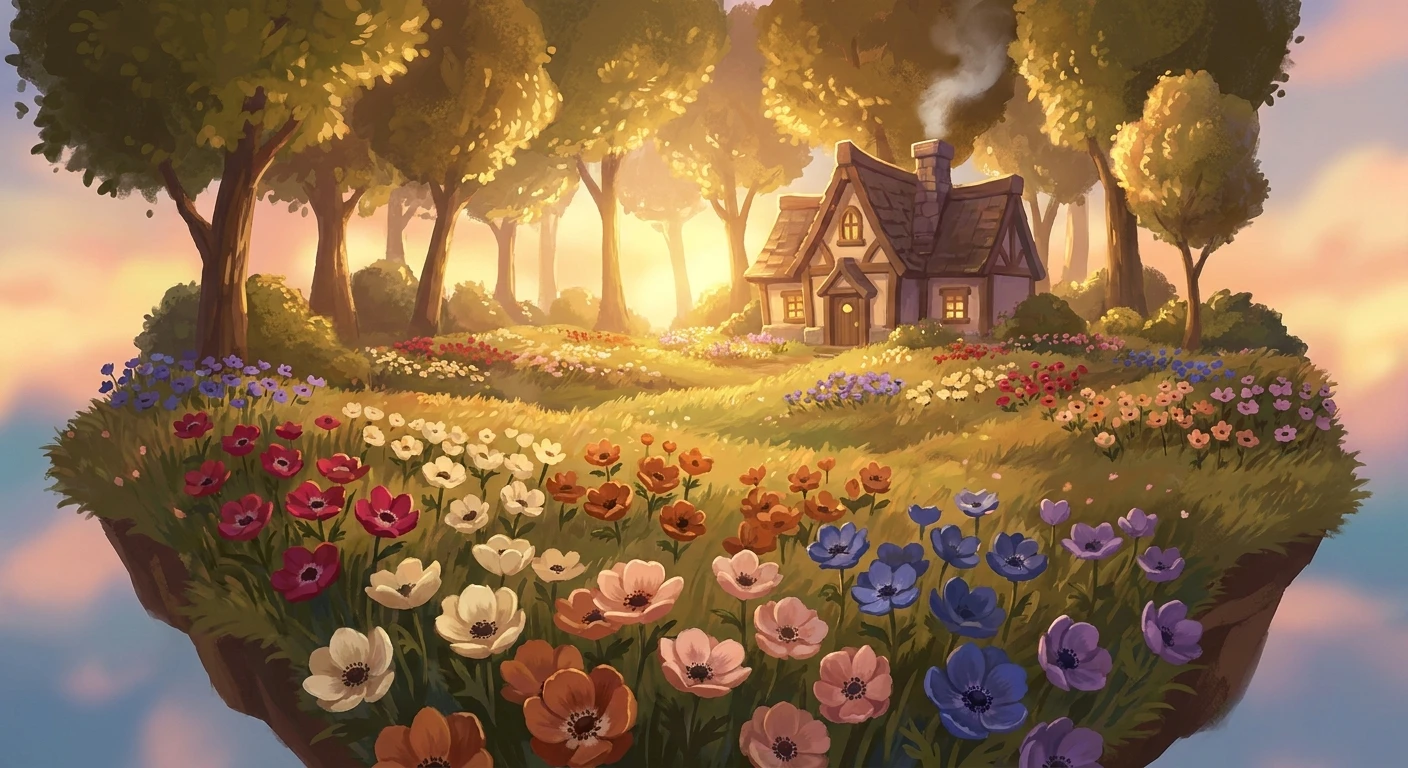
Navigating the Windflower Animal Crossing ecosystem offers players a brilliant burst of color and a complex breeding challenge that elevates any virtual island. When you first establish your deserted island getaway, discovering which native flora grows on your cliffs dictates a large portion of your early landscaping strategy. If windflowers happen to be your native species, you immediately gain access to a gorgeous, anemone-like bloom that sways gently in the virtual breeze. These flowers do not just look pretty; they serve as a core component for elevating your island rating to that coveted five-star status, attracting exclusive bugs, and crafting highly sought-after DIY furniture.
To truly conquer your island’s botanical design, you need a precise strategy. Haphazardly planting seeds will not yield the rare hybrid colors that make veteran players envious. You need to understand the underlying genetics, optimal grid layouts, and aesthetic potential of every single petal. Cultivating a thriving garden requires patience, proper tool management, and an understanding of how the game’s daily reset mechanics calculate new growth. By following structured breeding paths, you can systematically unlock every color variation available.
Read also: Learn how to plant flowers in animal crossing; When Does the New Overwatch Season Start? Find Out Now.
Reaping the Benefits of Advanced Floriculture
Mastering flower mechanics provides immense utility beyond simple aesthetics. Establishing a robust garden directly influences your Nook Miles achievements and gives you a steady stream of crafting materials. Players who take the time to organize their plots find themselves with an abundance of resources to craft seasonal and floral-themed items, which sell for premium Bell prices at Nook’s Cranny. Furthermore, rare hybrids like the purple windflower act as a magnet for valuable insects, such as the Peacock Butterfly, boosting your daily income significantly.
Here is a quick reference guide showing the base combinations, expected hybrid outcomes, and their base selling values:
| Base Color Combination | Hybrid Result | Bell Value |
|---|---|---|
| Red + Orange | Pink Windflower | 80 Bells |
| White + White | Blue Windflower | 80 Bells |
| Pink + Blue (Special Genotype) | Purple Windflower | 240 Bells |
The value proposition of dedicating space to these blooms is massive. For example, gathering ten purple petals allows you to craft the breathtaking Flower Stand, a highly versatile decor item for urban or natural island themes. Another excellent example is the Windflower Fan, a unique piece of furniture that adds a whimsical touch to any indoor room design.
To properly set up your initial hybrid farming zone, follow these critical steps:
- Clear a flat, unobstructed 5×5 grid on your island, ensuring no weeds, furniture, or custom designs block the dirt tiles.
- Plant your base seeds in a diagonal checkerboard pattern to maximize the number of empty adjacent tiles for offspring to spawn.
- Equip a watering can and thoroughly hydrate every flower daily, checking for the distinctive sparkle animation that confirms the plant is ready to breed.
The History and Evolution of Island Botany
Origins of the Species
Unlike classic staples such as roses, tulips, and pansies, the windflower did not exist in the earliest iterations of the franchise. It made its grand debut strictly in the New Horizons era, drawing heavy real-world inspiration from the Anemone flower. The developers wanted a bloom that specifically responded well to the dynamic wind system programmed into the game, giving life and motion to the static environment.
Evolution of Flower Mechanics
In older games, crossbreeding was a relatively simple task based purely on color matching. However, the introduction of this new species brought with it a completely overhauled backend system. The developers integrated actual Mendelian genetics into the code, assigning invisible gene strings to every single seed. This meant players could no longer rely on guesswork; they had to track the lineage of their blooms to guarantee rare results, turning casual gardeners into dedicated virtual botanists.
The Modern State of Island Landscaping
Even now in 2026, the landscaping community continues to map out ultra-efficient flower grids and aesthetic layouts. Players have optimized the process to such a degree that massive community databases exist purely to trade verified hybrid clones. The enduring popularity of these specific blooms proves that the complex breeding mechanics successfully added a layer of deep, rewarding endgame content for dedicated designers.
Decoding the Scientific Mechanics Behind the Petals
Understanding Mendelian Genetics in the Game
Behind the colorful graphics lies a complex hex-based genetic code. Every flower possesses a genotype that determines its visible color and its potential offspring. A standard red seed bought from Leif or Nook’s Cranny carries specific genes that differ vastly from a red flower found on a Mystery Island Tour. When two adjacent blooms are watered, the game runs a daily calculation at 5:00 AM, combining the invisible genetic markers of the parent plants to generate a new sprout. This is why a red and orange combination usually yields pink, but two specific pinks are required to eventually unlock purple.
The Grid System and Clone Rates
If a flower is watered but has no valid breeding partner adjacent to it, it enters a cloning phase. The game will simply duplicate the exact genetic sequence of that solitary flower into an empty adjacent tile. This is a highly effective way to multiply rare colors once you finally manage to breed your first successful hybrid.
- Seed Sourcing: Always start breeding projects with fresh seeds from packets. Wild flowers have contaminated, unpredictable genetics.
- Watering Stacking: Having visitors from other islands water your grid increases the reproduction rate exponentially, capping at five visitors.
- The Gold Sparkle: When five visitors water a plant, it produces a massive gold sparkle, maximizing the chance of a hybrid spawning the next morning.
- Space Requirements: Offspring absolutely require an empty, unpaved dirt or grass tile in the immediate 3×3 area around the parent plants.
A 7-Day Actionable Breeding Plan
Day 1: Sourcing the Pure Seeds
Your journey begins at Nook’s Cranny or by waiting for Leif’s cart to arrive at the plaza. Purchase at least ten red, ten white, and ten orange seeds. Do not dig up wild plants from your cliffs, as their unknown genetics will ruin the controlled experiment. Keep these packets in your inventory until you find a suitable location.
Day 2: Preparing the Soil Grid
Locate a wide, flat area on your island. Use the Island Designer app to lay down a dark dirt path in a checkerboard pattern. This visual guide prevents you from accidentally planting seeds too close together. Plant your white seeds diagonally adjacent to other white seeds. In a separate grid, plant your red and orange seeds diagonally from each other.
Day 3: The Initial Watering Phase
Equip your standard or flimsy watering can. Walk through both grids, watering every single planted seed. You must look closely for the silver water droplets dripping from the petals, followed by a brief sparkle effect. This confirms the game has registered the plant for the overnight reproduction calculation.
Day 4: Spotting the First Hybrids
Log in after 5:00 AM and rush to your grids. In the white grid, you should see a few blue buds starting to sprout. In the red and orange grid, pink buds will appear. Carefully use your shovel to dig up these new hybrids, ensuring you do not accidentally trample them by running through the dirt.
Day 5: Replanting the Pink and Blue Offspring
Now that you have your first generation of verified hybrids, you need to create a third, specialized grid. Plant your new pink blooms adjacent to your new blue blooms. This specific combination carries the complex recessive genes necessary to produce the ultimate prize. Water this new layout thoroughly.
Day 6: Inviting Friends for the Watering Bonus
Because the final genetic leap is statistically rare, rely on the multiplayer watering bonus. Open your airport gates and invite at least three to five friends over to water your special pink and blue grid. The massive boost in reproduction rates drastically cuts down the waiting time, ensuring the game forces a spawn.
Day 7: Harvesting the Rare Purple Blooms
Check your special grid the following morning. If the genetic dice roll succeeded, you will find a bright purple bud waiting for you. Dig it up, place it in an isolated spot, and water it daily so it clones itself. You have now successfully conquered the toughest botanical challenge the game has to offer.
Separating Myths from Reality
Myth: Rain waters flowers better than a watering can, increasing the chances of rare spawns.
Reality: Rain simply applies the base-level watering flag to every outdoor plant simultaneously. It provides exactly the same statistical boost as using a flimsy watering can yourself. Only multiplayer watering increases the actual percentage chance.
Myth: You can get purple windflowers by breeding any two blue variations.
Reality: Unlike other species, two standard blues from white parents do not contain the correct genetic markers for purple. You specifically need the complex offspring of pink and blue combinations.
Myth: The layout of your island, including cliff height and river placement, affects flower growth speed.
Reality: The environment has absolutely zero impact on reproduction rates. A flower on a third-tier cliff grows exactly the same way as a flower on the ground level beach grass. It is purely driven by RNG and watering flags.
Myth: Golden watering cans guarantee hybrid spawns.
Reality: The golden can simply waters a much larger 3×3 area in a single pour and is required for gold roses. It offers no special mathematical advantage for breeding regular hybrids.
Frequently Asked Questions & Conclusion
Can I buy hybrid windflowers directly from Leif?
No, Leif only sells base color seeds (red, white, and orange). You must breed the hybrids yourself or trade with other players.
What is the absolute rarest color for this species?
Purple is the rarest and most difficult to obtain, requiring multiple generations of carefully tracked crossbreeding.
Do special bugs spawn near these blooms?
Yes, planting blue and purple variants greatly increases the spawn rate of valuable insects like the Peacock Butterfly, making them excellent for Bell farming.
Can I wear these blooms as a hair accessory?
Absolutely. If you stand next to a fully grown plant and select the ‘pluck’ option, you can wear the blossom behind your ear without destroying the stem.
How much do the purple variations sell for at the shop?
A single plucked purple petal sells for 240 Bells, though it is usually better to save them for crafting lucrative furniture items.
Will my garden wilt and die if I forget to water it?
No. In this specific iteration of the franchise, unwatered plants simply remain static. They will not reproduce, but they will never wilt or disappear.
Can I use the plucked petals for DIY recipes?
Yes, many aesthetic recipes, such as the lovely floral wreaths and crowns, require specific quantities of plucked petals to craft.
As we navigate through 2026, the joy of designing the perfect rural getaway remains as strong as ever. Cultivating a Windflower Animal Crossing garden requires dedication, a keen eye for organization, and a little bit of luck with the daily spawn rates. However, the reward of seeing a vast field of blue, pink, and purple swaying in the coastal breeze makes every drop of water worth it. Grab your tools, map out your dirt paths, and start planting your dream landscape today!
Leave a Reply