

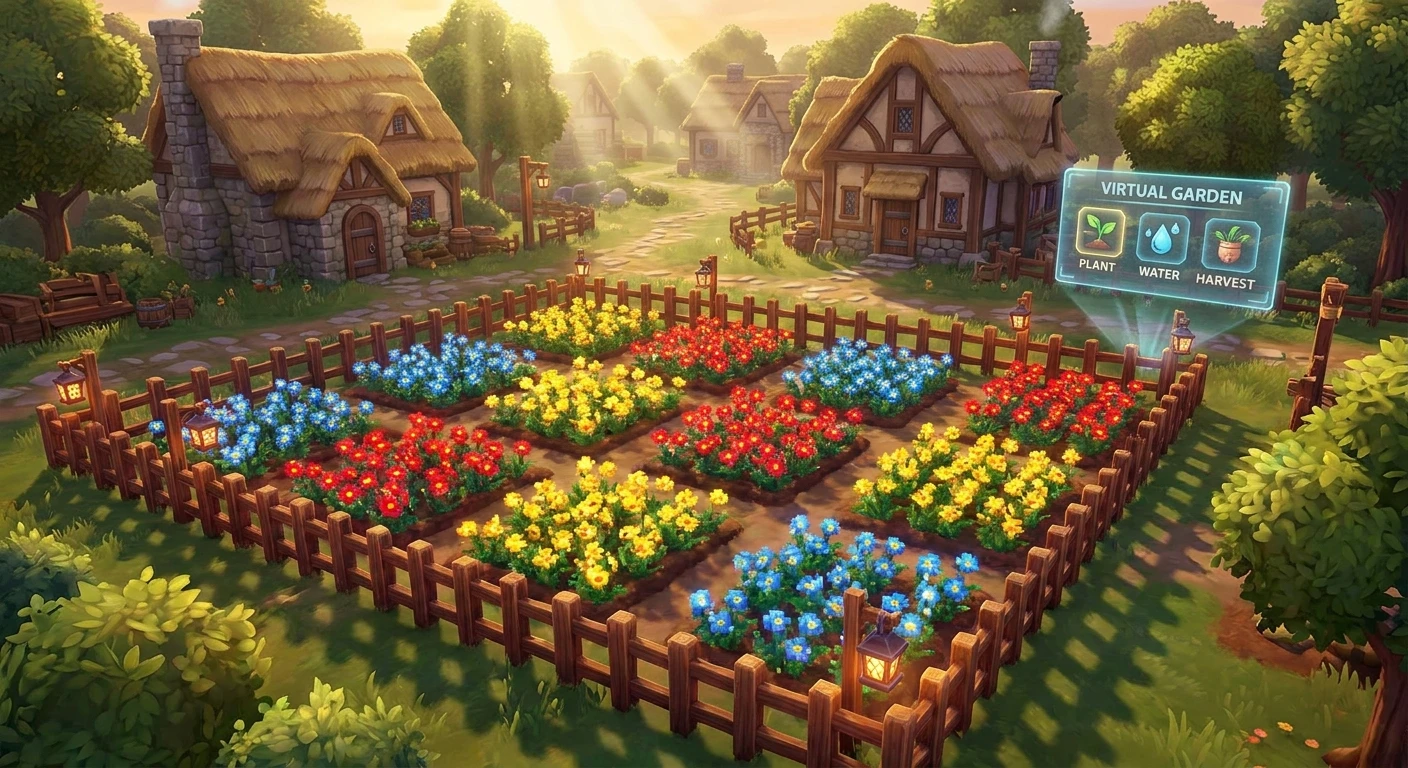
The Ultimate Guide on how to plant flowers in animal crossing
Figuring out exactly how to plant flowers in animal crossing was literally the first thing I obsessed over when I started my new island. Hey, everyone plays at their own pace, but I just wanted a beautiful garden. I was sitting in my apartment in Kyiv, waiting out another rolling blackout in early 2026, firing up the Switch in the dark. There is something incredibly therapeutic about arranging those digital petals while the real world feels chaotic.
We are going to walk through everything from buying your first seed bags to setting up massive cross-breeding farms. Forget the confusing spreadsheets you have seen on Reddit; I am going to explain this as if we are sitting on the couch together. Cultivating a beautiful aesthetic is about more than just tossing a few seeds on the dirt. You need a solid strategy if you want to spawn the elusive blue rose or create a stunning rainbow garden that wows every visitor who steps off the seaplane.
Whether you just want a cozy cottagecore vibe or a highly structured botanical research facility, mastering the dirt is your first step to island perfection.
Mastering the Core Mechanics of Island Botany
When you first step onto your island, the local flora is pretty basic. You will have one native species growing naturally on your cliffs. But getting the landscaping of your dreams requires active effort. You need to know the basic inputs and outputs of the game’s gardening system to truly thrive.
There is a massive value proposition to putting effort into your gardens. Let me give you a couple of real examples. First, flowers are heavily weighted in the Isabelle island evaluation system. If you want that coveted 5-star island rating to spawn Lily of the Valley, you absolutely need a high volume of blooming plants. Second, specific colors attract high-value bugs. Breeding blue, purple, and black variations will bring Peacock Butterflies to your island, which you can farm and sell to Flick for serious Bells.
To get started, here is exactly what you need in your inventory:
- A reliable watering can: Flimsy works, but upgrading to a standard can waters a 3×2 grid, saving you massive amounts of time.
- A shovel (optional but recommended): You can actually plant seeds directly from your pockets by standing on an empty grass tile, but a shovel helps you move fully grown plants.
- A steady supply of Bells: Seed bags cost 240 Bells each at Nook’s Cranny or from Leif’s stall.
Here is a quick breakdown of where you can source your starting botanicals:
| Botanical Type | Base Colors Available | Where to Acquire |
|---|---|---|
| Roses, Tulips, Pansies | Red, White, Yellow | Nook’s Cranny Cabinet |
| Mums, Cosmos, Lilies | Red, White, Yellow | Leif’s Garden Cart |
| Hyacinths, Windflowers | Red, White, Yellow, Orange | Mystery Island Tours |
Positioning is everything. Plants need at least one empty tile next to them to clone or breed. If you trap them tightly between paths and fences, they look nice, but they will never multiply. Always leave breathing room!
The Origins of Virtual Gardening
If you have been playing since the GameCube days, you know that managing a virtual garden used to be a high-stakes nightmare. Back then, if you accidentally ran over a blossom, it was completely destroyed instantly. Poof. Gone. You had to tip-toe around your village like you were walking through a minefield. The anxiety was real, and it made players terrified to decorate near their homes.
Evolution Across Animal Crossing Titles
As the series progressed through Wild World on the DS and City Folk on the Wii, the mechanics shifted. We saw the introduction of animal tracks—meaning if you walked on the grass too much, it turned to dirt. Players used gardens to try and heal the grass deterioration. By the time New Leaf hit the 3DS, town ordinances allowed you to enact the ‘Beautiful Town’ rule, which kept your greenery alive even if you forgot to play for a month. It completely changed the meta of how we structured our towns.
The Modern State of Island Flora
Now, in New Horizons, the system is incredibly forgiving but mechanically deep. Running through your garden only knocks the petals off; the stem remains, and the buds regrow in a couple of days. You have total freedom to dig up entire fully-grown bushes, stash them in your pockets, and run across the map to replant them. It is the most robust landscaping simulator Nintendo has ever built, turning casual gamers into hardcore horticulturalists.
The Mendelian Genetics of ACNH
You might think crossing a red tulip and a white tulip to get pink is just simple color mixing, but under the hood, the game runs a complex genetic algorithm. Data miners discovered that New Horizons uses a Mendelian genetics model. Every single seed you buy has a specific DNA string consisting of four gene pairs (often referred to by the community as R, Y, W, and S for Red, Yellow, White, and Shade).
Watering Mechanics and Cloning
Understanding the hydration mechanics is the secret to fast multiplication. When you water a plant, it gets a ‘watered’ flag. But the magic happens when visitors from other islands water your greenery. It drastically boosts the reproduction rate.
- Self-watering: Gives a 5% base chance for reproduction the next day.
- One visitor waters: Bumps the chance to 20%.
- Five visitors water: Skyrockets the chance to an incredible 80%, accompanied by huge, sparkling gold effects on the petals.
- Cloning isolation: If a plant is watered but touches no other plants of its species, it will perfectly clone itself, duplicating its exact hidden genes.
If you are serious about breeding, you need to set up a dedicated watering exchange with your friends. It is basic virtual biology.
7-Day Actionable Gardening Plan
Ready to get your hands dirty? Follow this exact week-long schedule to build a highly efficient layout.
Day 1: Gathering Resources and Seeds
First, empty your pockets. Head over to Nook’s Cranny and buy 10 red seeds, 10 white seeds, and 10 yellow seeds of whichever species you prefer. If Leif is visiting the plaza, grab whatever he is selling, especially shrubs. Stock up on customization kits and build at least three standard watering cans.
Day 2: Layout Planning and Fencing
Find a large, flat area of your island. Use the Island Designer app (if you have it unlocked) to lay down a dark dirt path. This does not change the growth rate, but it visually separates your breeding grounds from the normal grass. Surround the area with a simple wooden fence to stop villagers from wandering in and sitting directly on your work.
Day 3: Planting the Base Checkerboard
Open your pockets and stand on the dirt. Plant your seeds in a strict checkerboard diagonal pattern. Imagine a chessboard: plant only on the black squares, leaving the white squares entirely empty as plain dirt. This diagonal arrangement gives every single stem the maximum number of adjacent empty tiles to drop new offspring into.
Day 4: The Initial Watering Routine
Wait until your seeds have sprouted into stems. Grab your standard watering can. Stand in front of a 3×2 section and press A. Watch for the water droplets dripping off the leaves to confirm they registered the hydration. Do this every single day. If it rains or snows on your island, you can skip this step entirely!
Day 5: Cross-Breeding Setup and Tagging
By now, the seeds have fully bloomed. This is when the cross-breeding starts. When two different base colors are adjacent in your checkerboard, they will attempt to combine genes overnight. If you are specifically tracking genetics, use the custom design app to place colored markers on the ground next to specific parents so you don’t forget their lineage.
Day 6: Monitoring and Relocating
Wake up and check the garden. You should see little buds in the empty spaces! Use your shovel to carefully dig up these new offspring. If they are the hybrid color you wanted (like pink or orange), move them to a separate display area. If they are the wrong color, either sell them or put them in the trash bin to keep your checkerboard clear.
Day 7: Harvesting Hybrids and Scaling
At the end of the week, take your successful hybrids and plant them in their own isolated checkerboard. By breeding hybrids together, you unlock the second tier of rare colors, like purple and black. Keep repeating this 7-day cycle, expanding your dirt patches, and soon your island will be completely covered in rare, sparkling flora.
Myths & Reality
There is a lot of misinformation floating around social media about island landscaping. Let’s clear up the confusion.
Myth: Running over your garden kills the plants permanently.
Reality: In New Horizons, running only destroys the petals. The core plant remains perfectly intact and will fully bloom again in two days.
Myth: Rain does not count; you still have to water manually.
Reality: Rain acts as a global watering can. Every single piece of greenery outside gets watered automatically. Enjoy your day off!
Myth: You absolutely need a shovel to plant anything.
Reality: You only need a shovel to dig up a grown plant. Seeds can be planted directly from your inventory onto the grass with just your bare hands.
Myth: Any red rose mixed with another red rose will eventually yield blue.
Reality: Blue roses require a very specific, multi-generational genetic path. Two basic seed reds will never produce blue; you must engineer special hybrid reds first.
Frequently Asked Questions
Can you plant picked flowers?
No. If you pick the petals by pressing Y, they become crafting materials or decorations. You cannot bury them to grow a new stem. You must dig up the whole plant with a shovel.
Do weeds stop flowers from growing?
Yes. If your checkerboard spaces are filled with weeds, branches, or dropped items, the offspring have nowhere to spawn. Keep your dirt clean.
How do I get gold roses?
You must breed black roses first (usually from two reds). Then, you must water those black roses specifically with a Golden Watering Can. It gives a chance to spawn a gold bud.
What is the rarest flower in the game?
The blue rose. It requires a massive, multi-step breeding process spanning weeks. It involves creating specific hybrid purples, oranges, and specialized reds before you even get a chance at blue.
Can I cross-breed different species?
No. Tulips only breed with tulips, mums with mums, and so on. You cannot combine a lily and a rose.
Do villagers watering flowers actually count?
Yes! When you see a villager sniffing and watering your garden with their tiny can, it applies the standard base watering flag. However, it does not trigger the massive visitor bonus.
How do I get non-native seeds?
Wait for Leif to visit, buy from his cart on Harv’s Island, travel to Nook Miles mystery islands, or buy seeds from the cabinet at a friend’s Nook’s Cranny.
Can I plant flowers on the sandy beach?
Yes, you can plant them on the sand for decoration. However, they will not grow or breed on the beach. They will stay exactly as they were when you planted them.
Does time travel affect growth?
Yes. Changing your Switch clock forward will instantly process the daily growth and breeding cycles. However, going backward in time does not reverse their growth; they remain as they are.
Getting your hands dirty and figuring out how to plant flowers in animal crossing is one of the most rewarding grinds in the game. Even now in 2026, the community is still obsessed with creating gorgeous landscapes. Grab your watering can, set up your grid, and start breeding! If you want to show off your rare blue roses or need visitors for that watering bonus, drop your friend code or Dream Address below and let’s garden together!
Leave a Reply