

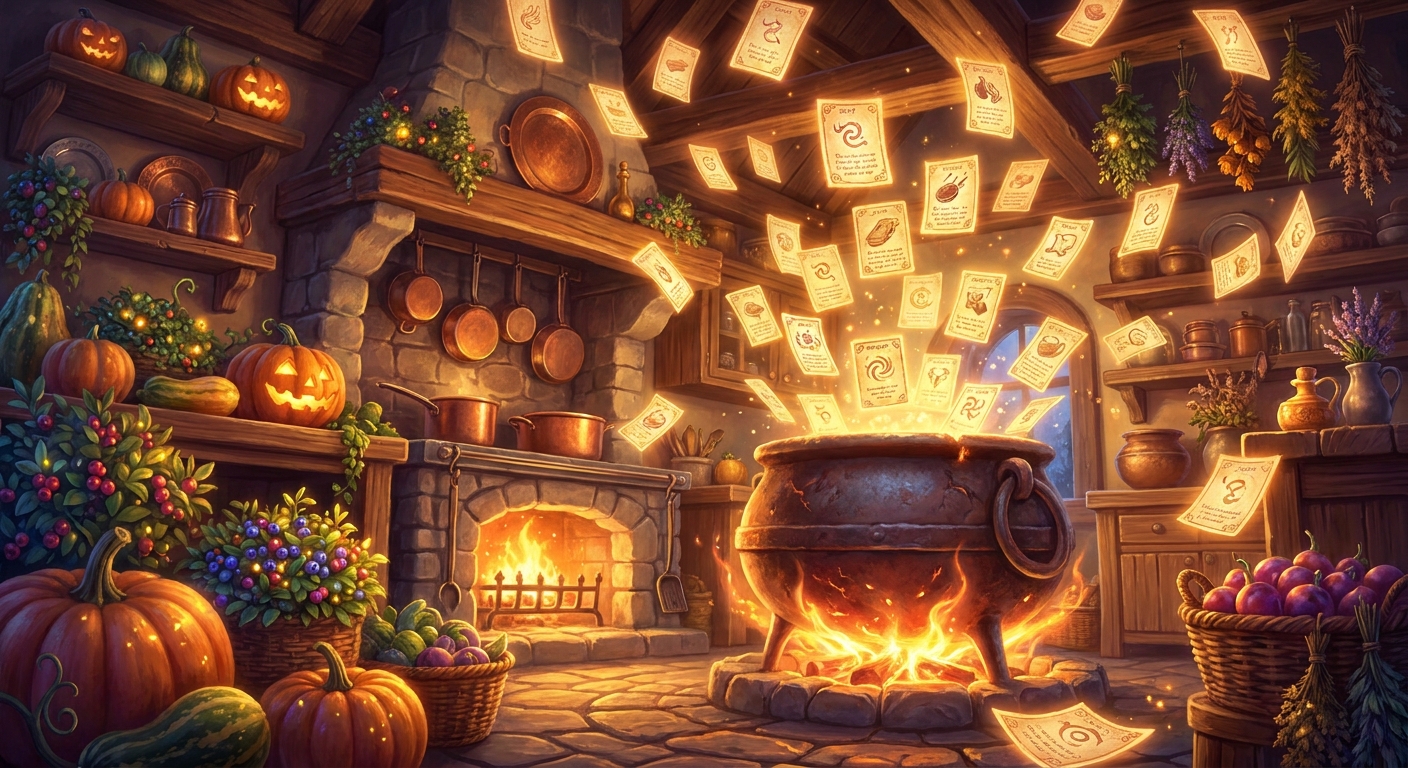
Mastering disney dreamlight valley recipes Together
Hey there! If you are obsessing over finding all the disney dreamlight valley recipes right now, you are definitely not alone. I remember sitting in a cozy little coffee shop in central Kyiv just last week, totally ignoring my actual lunch because I was frantically trying to figure out how to bake a multi-tier cake for Goofy. It is seriously addicting, and honestly, the culinary aspect of this game is what keeps me coming back day after day. Cooking in this game isn’t just about throwing random apples into a pot for the fun of it; it is the literal backbone of your in-game economy, your friendship progression, and your personal energy bar. When you nail the exact ingredients, you get faster movement, massive coin payouts, and you finish those tedious friendship quests in absolute record time. I am going to walk you through exactly how the cooking mechanics work, which meals actually matter for your daily grind, and how to optimize your farming so you never run out of coal or wheat again. Grab a seat and maybe a notepad, because we are breaking down everything you need to know about becoming the ultimate master chef in the valley. By the end of this, you will have a massive stockpile of five-star meals ready to go, and your character will never have to walk slowly across the map again.
Why You Need a Solid Cooking Strategy
Let’s talk about why you absolutely need a strict strategy for your cooking sessions. Banging your head against the stove without a plan drains your star coins and wastes your precious coal ore. Knowing the exact combinations for high-tier meals gives you a ridiculous advantage over players who just guess. For example, whipping up a simple Berry Salad gives you an insane energy boost for literally zero cost if you just forage the bushes around your plaza. On the other hand, crafting Pumpkin Puffs turns your basic farmed goods into an absolute goldmine. If you want to expand your house or buy out Scrooge’s store every morning, you have to master the kitchen.
Let’s break down a quick reference guide for some of the absolute highest-value meals you should be memorizing right now.
| Meal Name | Star Rating | Best Use / Value |
|---|---|---|
| Pumpkin Soup | 4 Stars | Massive Star Coin Profit |
| Berry Salad | 3 Stars | Infinite Free Energy Boost |
| Arendellian Pickled Herring | 5 Stars | High-tier Friendship Quests |
| Souffle | 4 Stars | Quick Early-Game Cash |
| Mocha | 3 Stars | Fast Stamina Recovery |
You basically get two massive benefits from mastering the stove: endless stamina and total financial freedom. First, let’s look at the yellow energy bar. Eating cooked food pushes your energy into the yellow zone, which lets you sprint and glide across the map. It is a complete game-changer when you are running back and forth between biomes. Second, the profit margins are insane. Selling raw vegetables is a total rookie move. Cooking them multiplies their base value significantly.
Here is exactly how you should approach your daily cooking routine to maximize your time:
- Gather your base ingredients early: Always hit Goofy’s stalls first thing in the morning to buy out all the seeds, especially wheat and rice, which act as cheap fillers for complex recipes.
- Stockpile coal ore aggressively: Hit every single black rock node you see along the cliffsides. You cannot cook a single dish without coal, and running out mid-batch is the absolute worst feeling.
- Batch-cook your profit meals: Do not just make one pumpkin soup at a time. Make fifty at once. Keep ten for your personal energy reserves and sell the other forty to Scrooge so you can finally upgrade your storage chests.
- Organize a dedicated food chest: Keep a chest right next to your stove that only contains ingredients, so the game auto-pulls from it when you are cooking.
Origins of Valley Gastronomy
When the game first launched a few years back, the cooking system was a total mystery box. We were all just tossing random basil and fish into the pot, desperately hoping we didn’t end up with another useless plate of generic fish sandwiches. The initial roster of meals was heavily focused on classic theme park snacks and iconic movie dishes. Think Snow White’s famous gooseberry pie or Ratatouille’s signature vegetable dish. Early on, players literally had to physically write down their successful experiments in actual notebooks on their desks because the game didn’t handhold you through the discovery process. It felt like real alchemy, trying to figure out which combination of dairy and fruit would yield something valuable instead of a generic cracker.
Evolution of the Recipe Book
As the developers kept updating the game, the culinary system exploded in sheer complexity. They introduced new biomes, which meant entirely new flavor profiles and exotic ingredients. We got coffee beans from the Glade, exotic fruits from the Sunlit Plateau, and even a whole new meat category from Gaston’s premium stall. The gaming community worked together relentlessly, crowdsourcing giant spreadsheets on platforms like Reddit and Discord to crack the code on every single new addition. It became a massive collaborative puzzle every time a major patch dropped. If a new character arrived, we all knew we had to figure out their three favorite meals within hours.
The Modern State of Cooking in 2026
Fast forward to 2026, and the cooking mechanics are practically an entire game within a game. The recipe book now boasts hundreds of entries. We have automated cooking machines, batch processing that saves hours of time, and seasonal event meals that require limited-time holiday ingredients. You no longer have to guess blindly; the UI has evolved beautifully to show you exactly what categories you are missing, but the thrill of unlocking a hidden five-star dessert remains just as exciting. Players now optimize their valley farm layouts entirely around the most profitable dishes, turning their cozy little villages into massive, highly efficient agricultural hubs. The kitchen is no longer an afterthought; it is the true endgame.
The Math Behind the Energy Bar
Let’s get slightly nerdy for a second and talk about the actual math running behind the scenes of the game’s cooking engine. Every single ingredient has a hidden base energy value and a base coin value. When you combine them in the pot, the game doesn’t just simple add those numbers together; it applies a specific mathematical multiplier based on the star rating of the final dish. A five-star meal isn’t just five random items thrown together. The algorithm checks for mandatory components (like a specific bass or salmon) and versatile slots (like the ‘any vegetable’ slot). If you use a high-value vegetable like a pumpkin in that versatile slot, the final dish inherits a massive bonus to its sell price, far beyond what you would get if you used a cheap carrot.
Ingredient Optimization Algorithms
Understanding this hidden game math is exactly how you break the economy in your favor. If a recipe calls for ‘any fruit,’ using an apple versus using a gooseberry drastically changes the output stats. The game naturally prioritizes the highest value input when calculating the final stamina recovery and the gold selling price at Goofy’s stall.
- Star Rating strictly dictates quest value: Villagers asking for a 4-star meal at the restaurant will aggressively reject a 3-star meal, even if that 3-star meal mathematically restores more energy.
- The Yellow Bar buff: Eating raw fruit only restores the basic blue bar. Only cooked meals trigger the ‘Well Fed’ yellow bar, giving you a crucial 15% passive movement speed buff.
- Coal consumption is entirely static: Whether you are making a 1-star cracker or a massive 5-star wedding cake, it always costs exactly one piece of coal. This means 5-star meals are technically vastly more resource-efficient per coal used.
- Sell price multiplier logic: A cooked meal generally sells for exactly 1.2 to 1.5 times the combined base value of its raw ingredients, making cooking strictly profitable as long as you do not burn premium ingredients on low-tier generic recipes.
- Autofill dangers: Using the autofill button will often grab your most expensive ingredients first. Always double-check what the game is putting in your pot so you don’t accidentally cook your ultra-rare fish.
Day 1: The Foraging Foundation
Ready to absolutely dominate the kitchen? Here is a complete 7-day blueprint to max out your recipe book and build your culinary empire from scratch. Spend your very first day completely ignoring the stove. Run around the Plaza and Peaceful Meadow harvesting every single apple, raspberry, and basil plant you can find. You want a massive stockpile of free ingredients so you can experiment later without wasting actual hard-earned star coins. Just hoard everything.
Day 2: Remy’s Realm Run
Unlock the Ratatouille realm immediately. You get free, unrestricted access to his kitchen there, which means you can practice mixing ingredients without actually consuming your own personal stash. Memorize the basic soup and salad combinations here. The ingredients on his shelves respawn endlessly while you are inside, making it the perfect zero-risk laboratory.
Day 3: Wheat and Coal Grinding
Plant at least one hundred plots of wheat. Wheat is the literal backbone of almost all baked goods and takes less than a single minute to grow. While it grows, run a mining circuit to hit every rock in sight for coal. You need hundreds of coal ore to sustain a profitable cooking business.
Day 4: Mastering 3-Star Staples
Focus entirely on 3-star meals like Berry Salad and Veggie Pasta. These are your daily workhorse meals. They give you enough energy to keep moving fast without requiring expensive or rare ingredients like lobster or fugu. Keep a stack of fifty Berry Salads in your backpack at all times.
Day 5: The Pumpkin Pivot
Save up your money, unlock the Forgotten Lands biome, and buy pumpkin seeds. This is where your financial situation flips overnight. Plant them, water them religiously, and wait. Once harvested, do not sell them raw. Turn them into Pumpkin Puffs or Pumpkin Soup for maximum, game-breaking profit.
Day 6: Friendship Bribes
Start targeting the 5-star meals specifically for gifting. Arendellian Pickled Herring, Bouillabaisse, and large cakes are massive friendship boosters. Keep a storage chest entirely dedicated to 5-star meals so you can instantly hand them over when a villager requests them for their daily favorite item. It saves you so much running around.
Day 7: The Completionist Sweep
Open your collection tab and look at the blank silhouettes in the meals section. Use the process of elimination. If you have the fish section mostly done, start combining dairy, eggs, and random vegetables to crack the final missing appetizers. Use online community sheets to fill in the really weird ones that defy normal logic.
Debunking Kitchen Nonsense
There is so much bad advice floating around out there in the community. Let’s clear up some of the nonsense.
Myth: You have to unlock the recipe scroll to cook a meal.
Reality: Nope! If you know the exact ingredients from a friend, you can throw them in the pot right now. The game will automatically log it as discovered for you.
Myth: Five-star meals always sell for the most money.
Reality: Totally false. A 3-star Pumpkin Puff will sell for significantly more than a 5-star Large Seafood Platter if the platter was made with cheap clams and scallops. The base ingredients dictate the price, not just the arbitrary star count.
Myth: You can just use any ingredient in the versatile slots without consequence.
Reality: While the recipe will technically succeed, using premium ingredients in a basic slot wastes their high monetary value. Never use a rare sturgeon when the recipe just asks for ‘any fish.’ Save the rare stuff!
FAQ
How do I get more coal for cooking?
Mine the black rock spots along the walls of every single biome. You can also buy it daily from Kristoff’s upgraded stall, which is a massive time-saver.
Why did my recipe turn into a generic dish?
You probably missed a specific mandatory ingredient. If a recipe absolutely needs a carrot but you used a tomato, the game defaults it to a generic, low-value veggie meal.
What is the absolute best energy meal?
Berry Salad, hands down. It uses gooseberries, blueberries, and raspberries. It is 100% free to forage from bushes and gives a massive stamina boost.
Can I cook multiple meals at once?
Yes, as of recent updates in 2026, batch cooking is a lifesaver. Just select the quantity slider before hitting the start button.
Do cooked recipes ever expire or rot?
No, cooked food lasts forever in your chests or your backpack. You can hoard meals for months.
Is buying milk and eggs from Remy worth the cost?
Absolutely. They are required for high-tier desserts which yield huge friendship bonuses and complete specific star path duties.
Does the stove type matter for the outcome?
Nope! A basic outdoor campfire works exactly the same as Remy’s high-end professional kitchen stove. It is purely aesthetic.
Can I sell meals back to Remy?
No, you can only sell your cooked meals to Goofy at his various stalls around the valley.
What is the most profitable meal in the game?
Generally, anything involving multiple Pumpkins, like a 5-pumpkin veggie platter, yields the highest raw coin return per item slot.
How do I get peanuts for the PB&J recipe?
You have to progress Remy’s friendship quests until he opens up the back shelf in his restaurant, allowing you to purchase peanuts and slush ice.
So, that is the entire playbook on mastering your valley’s kitchen. Get out there, stock up on that coal, and start flipping those pumpkins into pure profit. If you apply this 7-day system, your valley will be thriving. Hit the share button if this helped you out, and keep cooking!
Leave a Reply