

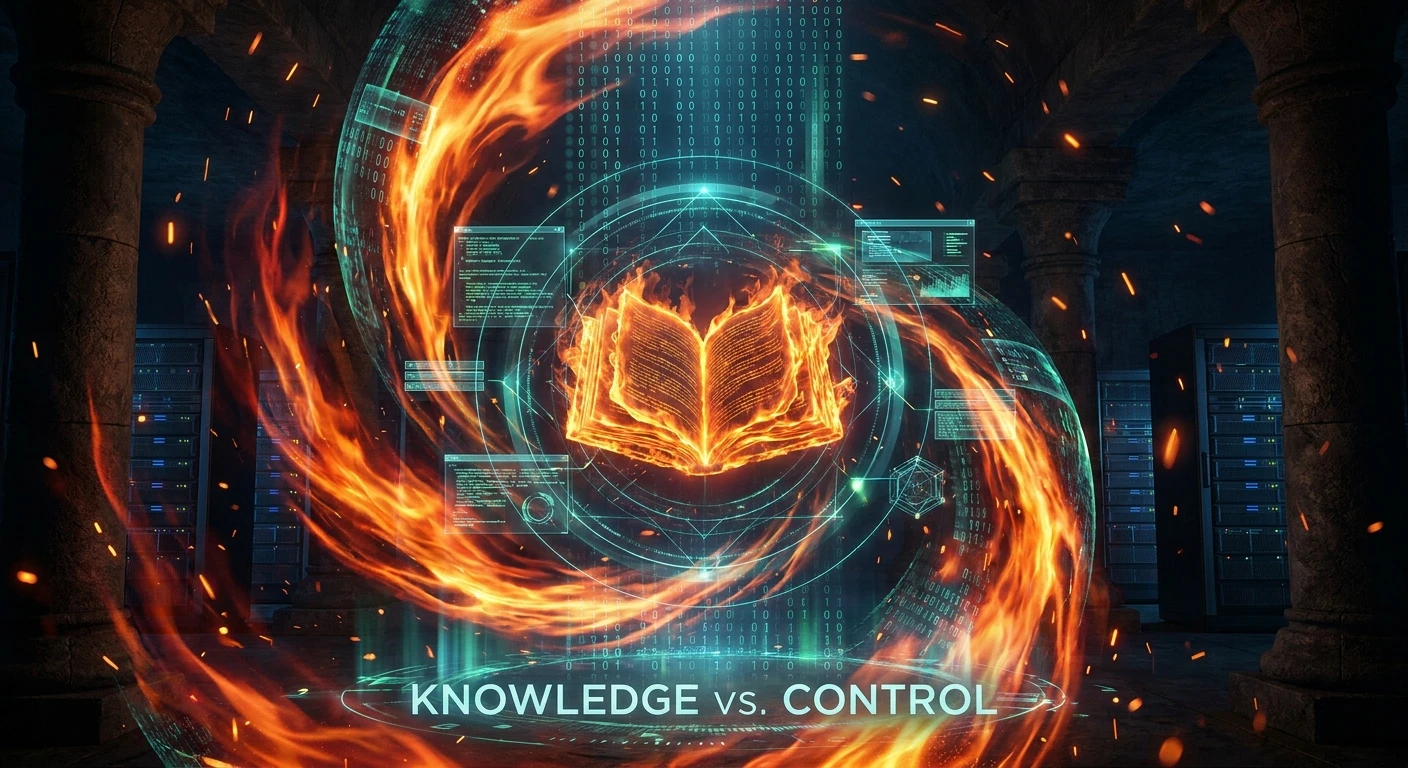
Why Every Sci-Fi Fan Should Watch a Farenheit 451 Movie
If you are searching for a cinematic experience that captures the sheer terror of systemic censorship, watching a Farenheit 451 Movie adaptation is absolutely essential. Based on Ray Bradbury’s seminal 1953 novel, this narrative flips a fundamental societal norm on its head: firemen do not put out fires; they start them to burn books. The chilling premise has inspired filmmakers for decades, resulting in distinct visual interpretations of a society that aggressively outlaws reading, critical thinking, and intellectual independence. Whether you choose the stark, analog classic directed by François Truffaut in 1966 or the neon-drenched, technology-obsessed HBO update by Ramin Bahrani in 2018, the core message remains strikingly relevant. You get a profound look at how mass media, instant gratification, and state-sponsored ignorance can erode the very foundation of human culture.
Adapting this specific novel requires directors to translate deeply internal literary themes into compelling visual language. The challenge lies in showing the psychological awakening of Guy Montag, a dedicated fireman who suddenly questions the morality of his destructive profession. By examining the different ways a Farenheit 451 Movie brings Montag’s rebellion to the screen, audiences can see how the fears of the 1960s compare to the digital anxieties of the 21st century. The cinematic translations of this story offer a brilliant lens through which we can evaluate our own relationship with screens, social media, and the rapid consumption of superficial information.
Read also: The Best life sim Strategy Guide; The Best Video Game Soundtracks of All Time.
The Core Conflict: Benefits and Warnings of the Adaptations
Understanding the value of these cinematic adaptations requires looking closely at what each director prioritized. Every version of the film provides a unique value proposition for viewers interested in dystopian fiction. For example, Truffaut’s 1966 version highlights the sheer emotional weight of physical books. The director refused to include any written text in the film’s opening credits, using spoken word instead to immediately drop the viewer into a textless reality. On the other hand, the 2018 adaptation focuses on the modern reality of digital overload, replacing physical book burning with the destruction of hard drives, digital archives, and internet servers, making it incredibly resonant for contemporary audiences.
| Film Version | Director | Key Thematic Focus |
|---|---|---|
| 1966 Theatrical Release | François Truffaut | Literacy vs. Willful Ignorance, Physical Media |
| 2018 Television Film | Ramin Bahrani | Digital Censorship, Social Media Conformity |
| Future Interpretations | Various Creators | AI Control, Algorithmic Suppression |
When analyzing these films, three distinct messages consistently stand out as central warnings for society. These core themes are beautifully rendered on screen and serve as the main reasons these movies remain culturally significant.
- The Danger of Anti-Intellectualism: Both films demonstrate how a society that prioritizes comfort and entertainment over complex thought will inevitably fall into authoritarianism. When people stop asking questions, the government can dictate reality without resistance.
- Technology as an Anesthetic: The films vividly portray how interactive screens and immersive broadcasts are used to numb the population. The massive interactive televisions described by Bradbury become terrifyingly real in the cinematic adaptations, serving as tools to isolate individuals from real human connection.
- The Rebellion of Memory: The climax of the story relies on the preservation of knowledge through human memory. The movies emphasize that as long as individuals are willing to remember and share history orally, the state can never fully destroy culture.
Origins of the Story
The foundation of every cinematic adaptation traces back to Ray Bradbury’s profound anxieties during the early Cold War era. Writing in the basement of the UCLA library on a rented typewriter, Bradbury was deeply disturbed by McCarthyism, political censorship, and the rising dominance of television. He feared that the emerging broadcast technology would replace the active engagement required by reading with passive consumption. The original novel was actually an expansion of a shorter novella titled “The Fireman.” When filmmakers first approached this material in the 1960s, they recognized that the story was not just science fiction; it was a plausible extrapolation of current sociological trends. The origins of the narrative are rooted entirely in the defense of literature, setting a high bar for any director attempting to adapt it for a visual medium.
Evolution of Cinematic Adaptations
The journey of bringing this dystopian universe to the silver screen has been complex. François Truffaut, a leading figure of the French New Wave, chose this project as his first English-language film. His 1966 adaptation is noted for its clinical, detached style and its reliance on Bernard Herrmann’s haunting musical score rather than elaborate special effects. Truffaut intentionally created a world that looked eerily similar to contemporary 1960s suburbia to emphasize that the dystopia was already knocking at the door. Decades later, as technology advanced exponentially, filmmakers realized the visual language needed an update. The 2018 HBO adaptation modernized the aesthetics, swapping the mid-century modern look for a neon-lit, cyberpunk-adjacent atmosphere where citizens willingly broadcast their own lives and actively participate in the censorship process via emojis and social media upvotes.
Modern State of Dystopian Cinema
Today, dystopian cinema heavily borrows from the visual and thematic groundwork laid by these early adaptations. The concept of an oppressive regime controlling a compliant populace through entertainment is now a staple of the genre, seen in franchises ranging from The Hunger Games to Black Mirror. However, the specific focus on the destruction of recorded history keeps this particular franchise wholly distinct. In the modern cinematic landscape, the story serves as a constant anchor point. Filmmakers continue to reference the iconic imagery of the flamethrower-wielding fireman and the tragic beauty of burning pages. The modern state of this genre proves that as long as societies struggle with the balance between security, technology, and free expression, the thematic echoes of Bradbury’s world will remain heavily featured in film.
Cinematography and Visual Metaphors
Translating a story about the destruction of words into a purely visual medium demands extraordinary cinematography. In the classic adaptations, color grading plays a massive psychological role. Directors intentionally contrast the warm, destructive, and aggressive hues of reds, oranges, and yellows associated with the firemen against the cold, sterile blues and grays of the citizens’ daily lives. The camera work often isolates characters within the frame to visually represent the alienation caused by their screen-obsessed culture. When Montag finally begins to read, the cinematography shifts, utilizing close-ups and softer lighting to indicate his intellectual awakening. The visual metaphors extend to the architecture as well, with the sterile, brutalist buildings highlighting a society devoid of organic warmth or historical character.
The Mechanics of Screen Censorship
Beyond just pointing a camera at a fire, the technical execution of the films dives deeply into the mechanics of societal control. Sound design is crucial here; the constant hum of broadcasts and the mechanical noises of the city are designed to overwhelm the audience, mirroring the sensory overload experienced by the characters. Directors utilize specific techniques to show how censorship is structurally enforced.
- Practical Fire Effects: Early adaptations relied on actual, controlled burns of extensive book props to capture the unpredictable, organic nature of fire, emphasizing the raw violence of the act.
- Diegetic Sound Overload: Filmmakers layer multiple audio tracks of mindless entertainment broadcasts to create a claustrophobic auditory environment that leaves no room for silent contemplation.
- The Mechanical Hound: The visual design of the state’s robotic enforcer evolved from a literal metallic dog to complex, omnipresent surveillance algorithms, representing the shifting technical reality of state-sponsored tracking.
- Color Saturation: Digital adaptations use hyper-saturated neon colors for state propaganda, making the artificial world look more appealing than the natural, physical world outside the city.
Day 1: Read the Source Material
Before watching any adaptation, you must read Ray Bradbury’s original novel. Understanding the author’s poetic prose provides the necessary baseline to evaluate how successfully the filmmakers translated his internal monologues and philosophical debates into visual action. Pay close attention to Montag’s interactions with Clarisse and Captain Beatty.
Day 2: Watch the 1966 Truffaut Classic
Dedicate this day to screening François Truffaut’s adaptation. Focus on the deliberate pacing, the distinctive mid-century aesthetic, and the intentional use of a completely text-free opening credits sequence. Note how Oskar Werner portrays Guy Montag’s slow, agonizing realization of his society’s emptiness.
Day 3: Analyze the Analog Aesthetic
Spend time breaking down the visual choices of the 1966 film. Truffaut made a controversial decision to have the same actress play both Montag’s superficial wife and the free-spirited Clarisse. Analyze how this dual casting visually reinforces the idea of choice and the stark contrast between conformity and rebellion.
Day 4: Watch the 2018 HBO Modernization
Shift your focus to the 21st century by watching Ramin Bahrani’s 2018 version starring Michael B. Jordan and Michael Shannon. Observe how the narrative is updated to include the internet, virtual reality, and digital mobs. Pay attention to how the physical burning of books is merged with the deletion of digital information.
Day 5: Contrast the Digital vs Analog Dystopias
Compare the two films directly. Look at how the method of control has shifted from forcing people to surrender physical objects in 1966 to manipulating people into voluntarily surrendering their digital privacy in 2018. Note how Captain Beatty’s character is expanded in the modern version to reflect contemporary cynical manipulation.
Day 6: Evaluate the Mechanical Hound Portrayals
Take a deep dive into how the state enforces its rules. The Mechanical Hound is a terrifying physical presence in the book. Evaluate how the different films handled this concept. Did they use literal robots, or did they substitute the Hound with advanced surveillance networks, drones, and biometric tracking?
Day 7: Discuss the Ending and Future Implications
Conclude your analytical week by examining the ending of both films. The “Book People” who memorize literature to preserve it offer a sliver of hope. Discuss whether the analog method of memorization holds up in a purely digital adaptation, and debate what a future cinematic version might look like if created ten years from now.
Myths & Reality
Myth: The films are primarily about the evils of government censorship.
Reality: While state censorship is the mechanism, both the author and the filmmakers have stated that the true evil portrayed is the public’s voluntary surrender of intellectualism in favor of mindless entertainment.
Myth: The 1966 film perfectly replicates the novel’s plot.
Reality: Truffaut made significant changes, including removing the Mechanical Hound entirely and altering the fate of several main characters to fit his specific visual and narrative style.
Myth: Firemen in this universe use standard firefighting equipment.
Reality: The cinematic adaptations show firemen using highly specialized, heavily modified equipment designed specifically to spread chemical fires that burn at exactly 451 degrees, ensuring total destruction of paper.
Myth: The story is outdated because physical books are no longer the primary source of information.
Reality: The core theme—the suppression of dissenting ideas—is easily translated to modern adaptations via the deletion of digital files, de-platforming, and algorithmic suppression, making it permanently relevant.
Why is the temperature specific to 451 degrees?
The title refers to the purported autoignition temperature of paper. While the exact scientific temperature varies depending on the type of paper, the symbolic meaning remains: it is the precise threshold where knowledge is violently erased from existence.
Did Ray Bradbury like the 1966 adaptation?
Bradbury generally appreciated Truffaut’s 1966 film, particularly praising the haunting musical score and the poignant ending sequence featuring the “Book People” walking in the snow, though he acknowledged the deviations from his text.
Why are there no written words in the 1966 film’s opening?
Truffaut wanted to immediately immerse the audience in a world where reading is outlawed. By having a narrator read the credits aloud, he forces the viewer to experience the reality of the dystopia before the first scene even begins.
How does the 2018 version handle the internet?
The 2018 HBO film introduces an omnipresent internet called “The Nine.” Citizens use it to stream state-approved content, interact with propaganda, and actively participate in identifying dissidents, turning censorship into a social media event.
Who plays Captain Beatty in the films?
In the 1966 film, Captain Beatty is played by Cyril Cusack, who delivers a chilling, softly spoken performance. In the 2018 adaptation, Michael Shannon plays Beatty with immense physical intensity and deep psychological conflict.
What is the role of Clarisse in the movies?
Clarisse acts as the catalyst for Montag’s awakening. In 1966, she is an adult school teacher played by Julie Christie. In 2018, played by Sofia Boutella, she is an informant working for the firemen who secretly aids the resistance.
Is it necessary to read the book before watching the movies?
While the movies stand alone as compelling pieces of science fiction cinema, reading the novel first significantly enriches the viewing experience by providing the deep philosophical context that is sometimes abbreviated on screen.
A Farenheit 451 Movie is much more than a traditional science fiction thriller; it is a profound mirror reflecting our society’s ongoing battle with attention spans, media consumption, and intellectual freedom. Whether analyzing the clinical brilliance of the 1966 classic or the aggressive neon pacing of the 2018 modernization, viewers are challenged to question their own relationship with screens and the written word. Do not just watch these films passively. Pick up a physical book, engage with the complex ideas presented, and start a conversation about the vital importance of preserving human knowledge.
Leave a Reply