
The Phenomenon of the Fox in Chair Meme
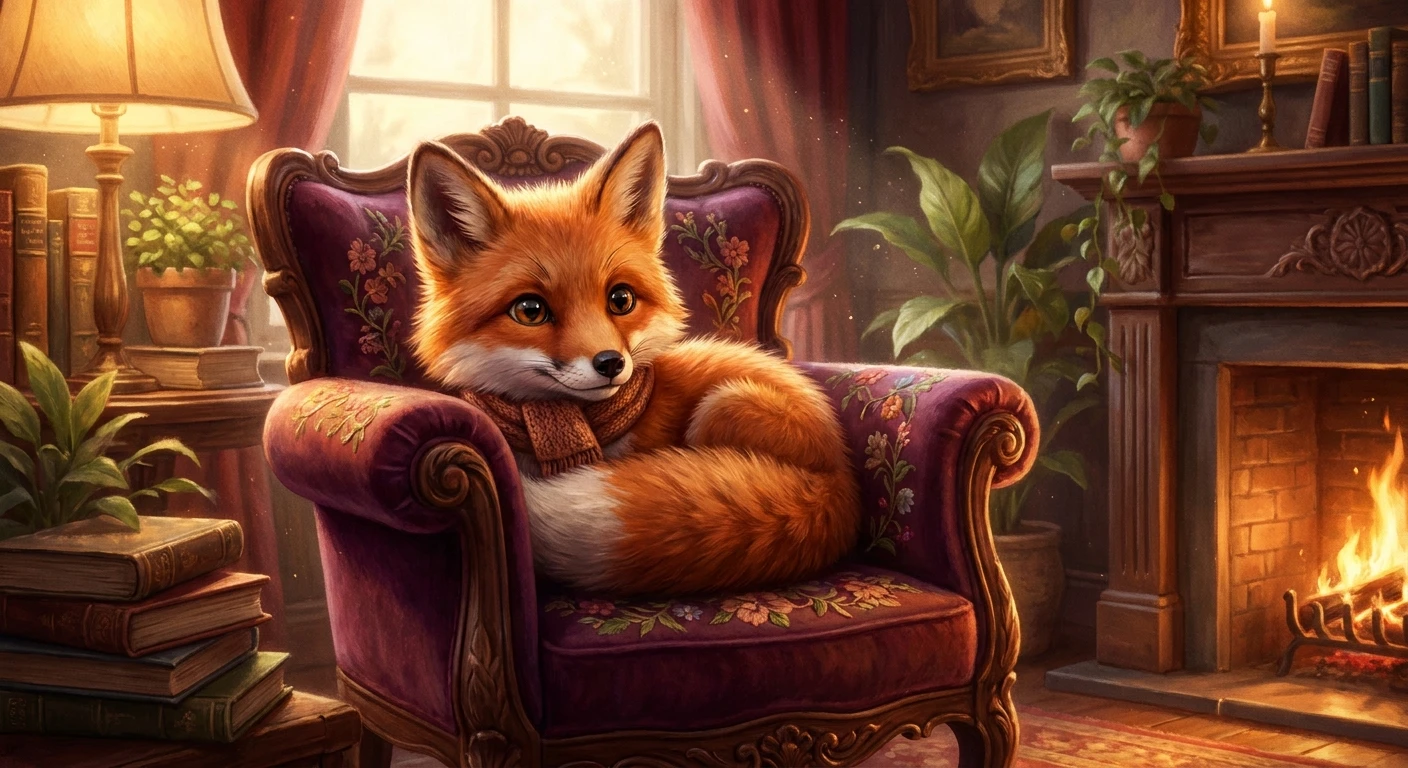
Have you ever scrolled through your feed and suddenly locked eyes with the legendary Fox in Chair Meme? You are definitely not alone. This digital phenomenon represents far more than just a funny picture circulating on social media; it is a masterclass in internet humor, visual relatability, and modern viral mechanics. When an animal is placed into a distinctly human context, the resulting image bypasses our logical filters and speaks directly to our sense of absurdity. A wild creature awkwardly positioned on household furniture captures the exact feeling of modern exhaustion, social awkwardness, or sheer confusion that humans experience daily. Understanding why this specific image resonates with millions requires looking closely at digital culture. The image operates as a blank canvas for human emotion, allowing users to project their own workplace frustrations, relationship struggles, or weekend laziness onto a completely unaware woodland creature. In the fast-paced world of digital timelines, visual communication must be instantaneous to capture attention. This specific template achieves exactly that, acting as a universal shorthand for a specific mood. By exploring the elements of this viral sensation, anyone can learn what makes digital content truly stick in the collective memory of the internet.
Why We Connect with Awkward Animals
The core appeal of animal reaction images lies in their universal language. You do not need to speak a specific language to understand the bewildered expression of a creature out of its natural habitat. The juxtaposition of untamed nature against the rigid, structured environment of domestic furniture creates an immediate comedic friction. This friction is highly versatile, providing endless opportunities for creative captions. Let us examine the value proposition of this template. For casual users, it offers a quick, humorous way to express fatigue. For brands, it provides a relatable, non-controversial touchpoint to engage with an audience.
Read also: The Complete Guide to Cowboy Hat Caterpie; The Psychology Behind Hot Disney Characters.
| Meme Format Variation | Typical Caption Example | Emotional Resonance |
|---|---|---|
| The Slumped Corporate Fox | “Waiting for the Friday afternoon meeting to end.” | Deep Burnout and Exhaustion |
| The Attentive Fox | “When someone mentions free food in the office.” | Unexpected Excitement |
| The Confused Fox | “Reading the email I just sent to my boss.” | Panic and Regret |
To fully grasp why this specific visual format works so flawlessly across different demographics, we must break down its core visual and psychological components. The effectiveness of the format relies on three distinct pillars:
- The Absurdity of Context: A wild predator sitting properly in a piece of domestic furniture violates our basic expectations of reality, instantly triggering a humorous response.
- The Blank Expression: The natural, unreadable face of the animal allows the viewer to project almost any emotion onto it, making it incredibly adaptable for various jokes.
- The Anthropomorphic Mirror: By placing an animal in a human posture, we see a exaggerated reflection of our own physical reactions to stress, boredom, or surprise.
These elements combine to create a perfect storm of shareability. When users see the image, they instantly recognize a part of themselves. Whether it is used to depict the agony of Monday mornings or the awkwardness of waiting for a friend at a party, the visual metaphor remains consistently powerful and endlessly recyclable.
Origins of the Unexpected Image
Tracing the exact origins of internet phenomena can be notoriously difficult, as images are frequently screenshotted, cropped, and reposted without attribution. However, the history of wildlife photography intersecting with digital humor is well documented. The earliest iterations of this specific visual trope often trace back to either unconventional taxidermy installations or incredibly timed wildlife photography where rural animals wander into human spaces. When these strange, out-of-context photos first hit early internet forums and imageboards, they were shared simply for their weirdness. It was the community that slowly began attaching narrative and emotion to the blank stare of the animal, transforming a random photograph into a structured cultural artifact. This transition from a simple photograph to a universally recognized reaction template highlights the collaborative nature of digital folklore.
Evolution Across Social Media Platforms
As the internet matured, so did the lifespan and distribution of visual humor. What might have started as a niche joke on highly specific forum threads eventually migrated to mainstream platforms like Reddit, where upvote mechanics pushed the funniest variations to the top of the cultural consciousness. From there, the format evolved. On Twitter, it became a staple for rapid-fire reaction tweets, often paired with highly topical news or daily inconveniences. On Instagram, it was packaged into relatable carousel posts by massive meme aggregator accounts. The format even survived the pivot to video on platforms like TikTok, where creators would use green screen effects to place themselves next to the seated animal, acting out elaborate skits. Each platform forced the format to adapt, proving its incredible durability.
The Modern State of Internet Foxes
Today, the format exists in a state of permanent cultural relevance. It is no longer just a passing trend but a foundational piece of internet vocabulary. Corporate social media managers frequently deploy it to humanize their brand accounts, knowing that the image is safe, recognizable, and highly engaging. Furthermore, the template has spawned countless merchandise items, from enamel pins to coffee mugs, proving that digital humor can easily translate into physical commodities. The modern state of this visual trend demonstrates that well-constructed anthropomorphic humor does not simply fade away; it integrates itself into the way we communicate digitally on a daily basis.
The Cognitive Psychology of Anthropomorphism
To truly understand the viral success of this trend, we must look at the science of anthropomorphism. The human brain is hardwired to seek out human characteristics in non-human entities. This cognitive bias helped our ancestors identify faces and intentions in the wild. When we look at a creature sitting in a chair, our neural pathways immediately map human social dynamics onto the scene. We do not just see an animal; we perceive a “tired worker” or a “confused guest.” This automatic psychological projection creates a powerful sense of empathy and amusement. The cognitive dissonance between what we know (it is just an animal) and what we feel (it looks exactly like me after a long shift) is resolved through laughter. This mechanism bypasses logical analysis, which is exactly why the image can evoke an emotional response in milliseconds.
Algorithmic Virality and Digital Semiotics
Beyond psychology, there is a technical architecture that dictates how far and fast an image travels. In the realm of digital semiotics, the image acts as a signifier for a highly specific set of modern anxieties. Algorithms on social platforms favor content that stops users from scrolling and prompts immediate interaction. Reaction formats excel at this because they require minimal cognitive load to decode. Here are the core scientific and algorithmic facts driving this virality:
- Visual Processing Speed: The human brain processes images 60,000 times faster than text, making a strong visual punchline essential for algorithmic success.
- High Shareability Metrics: Content that evokes high-arousal emotions (like intense amusement or deep relatability) triggers dopamine release, prompting the user to share it with peers.
- Algorithmic Dwell Time: Because viewers pause to read the accompanying text and relate it to the image, the increased dwell time signals to the algorithm that the content is highly engaging.
- Cultural Portability: The lack of highly localized context means the image can cross international and linguistic borders without losing its core semiotic meaning.
Day 1: Analyzing the Target Audience
If you want to deploy this visual format successfully, you must first understand exactly who you are talking to. Start by analyzing the demographics, daily struggles, and humor preferences of your followers. Are they exhausted students, stressed professionals, or casual internet surfers? Identifying their pain points ensures that when you finally present the visual punchline, it hits close to home and drives maximum engagement.
Day 2: Selecting the Perfect Base Image
Not all variations of the image carry the same emotional weight. Spend time sourcing the highest quality, most appropriate version of the template. If your goal is to express defeat, look for the variation where the posture is severely slumped. If you want to convey awkwardness, find the version with the wide-eyed, forward-facing stare. The resolution and framing matter significantly.
Day 3: Drafting Relatable Contexts
The image does heavy lifting, but the text is what makes it viral. Draft at least ten different scenarios that your audience experiences regularly. Focus on hyper-specific situations rather than broad observations. Instead of saying “When you are tired,” write “When you promised you would go out but now it is 7 PM and it is raining.” Specificity breeds relatability.
Day 4: Formatting and Typography Selection
Presentation is critical. Ensure your text is legible, correctly spelled, and positioned where it does not obscure the focal point of the image. Standard digital humor often relies on bold, sans-serif fonts with heavy contrast against the background. Proper formatting ensures that mobile users, who make up the majority of consumers, can read the joke instantly without zooming in.
Day 5: Cross-Platform Publication Strategy
Different platforms require different framing. On Twitter, place the text in the body of the tweet and attach the raw image. On Instagram, embed the text directly onto a square-cropped image. For professional networks like LinkedIn, tie the visual to a lighthearted observation about corporate culture. Tailoring the format to the platform’s native style drastically increases your chances of going viral.
Day 6: Community Engagement and Responses
The moment you publish, the work has only just begun. The first hour of engagement dictates the algorithmic trajectory of the post. Be present in the comment section. Reply to users who share their own related anecdotes. Fostering a lively discussion in the comments signals to the platform that the content is generating active community interest, pushing it further into new feeds.
Day 7: Performance Tracking and Adaptation
After twenty-four hours, review the metrics. Look at share counts, save rates, and comment sentiment. Did the audience interpret the joke the way you intended? Which platform yielded the highest return? Use this data to refine your approach. Understanding what resonated will make your next attempt at utilizing digital humor even more precise and impactful.
Separating Internet Myths from Reality
Myth: You need advanced graphic design skills and professional software to participate in digital humor trends.
Reality: The most successful internet humor often relies on low-effort, raw aesthetics. Free web-based generators and native smartphone photo editors are more than sufficient to create viral content.
Myth: Formats like this die out completely within a matter of days.
Reality: While specific iterations peak quickly, strong anthropomorphic templates have incredible longevity. They simply retreat into the background digital vocabulary, resurfacing whenever a collective cultural moment demands them.
Myth: The animal in the original photograph was digitally generated or manipulated heavily with AI.
Reality: The foundational images of this trend are rooted in actual photography, often featuring classic taxidermy or incredibly lucky wildlife shots. The authenticity of the awkwardness is precisely what makes the template so compelling and impossible to artificially replicate with the same soul.
What exactly is the Fox in Chair Meme?
It is a popular internet reaction template featuring a fox—often taxidermy or resting awkwardly—seated in human furniture. It is primarily used to express feelings of exhaustion, confusion, or social awkwardness through highly relatable captions.
Is the animal in the picture actually alive?
Most of the classic variations stem from humorous taxidermy displays found in antique shops or museums. The stiff, unnatural posture is part of what makes the visual so deeply absurd and funny.
Who captured the original photograph?
Like many early internet artifacts, the original photographer remains largely unknown. The image spread anonymously through forums before becoming public domain cultural property.
Why is this specific visual so relatable?
It relies on anthropomorphism. By seeing an animal in a human posture, we project our own daily struggles onto it, creating a humorous mirror of our own exhaustion and social anxiety.
Can corporate brands safely use this format?
Yes. It is widely considered brand-safe because it does not rely on controversial topics, profanity, or polarizing figures. It is simply a universal joke about daily inconveniences.
Where can I find a blank template to use?
Blank templates are readily available on popular image generation websites, digital template repositories, and community forums dedicated to archiving viral visual formats.
Will using this format get me more followers?
While it can boost engagement due to its algorithmic favorability and high shareability, it must be paired with genuinely relatable and well-crafted text to convert viewers into long-term followers.
Final Thoughts on Digital Culture
The enduring legacy of the Fox in Chair Meme proves that internet humor is not just mindless entertainment; it is a sophisticated method of collective communication. By combining wild absurdity with deep human relatability, this simple image has carved out a permanent space in digital history. Whether you are aiming to enhance your brand’s social media strategy or simply trying to make your friends laugh in a group chat, understanding the mechanics behind this trend gives you a significant advantage. The next time you feel overwhelmed by the modern world, remember that there is always a perfectly seated, slightly confused woodland creature ready to express exactly how you feel. Start experimenting with your own captions today and join the ongoing evolution of internet culture!
Leave a Reply