
My Honest reanimal review: The Good, The Bad, and The Terrifying
If you have been frantically scrolling through forums and social media searching for a totally genuine reanimal review, you have officially landed in the absolute right spot. I just wrapped up my second full playthrough late last night, and man, we really need to talk about what this experience actually delivers. I still vividly remember booting this title up during a scheduled rolling blackout here in Kyiv. I had my laptop hooked up to a massive power station, clutching a lukewarm cup of tea, and the sheer, oppressive atmosphere of the game completely sucked me out of reality. That is exactly the kind of intense, immersive escapism we all desperately crave right now.
My main thesis here is pretty straightforward and honest: this is not just another generic, spooky puzzle-platformer to add to your backlog. Instead, it is a brilliant masterclass in cooperative tension that constantly demands your full attention. You might be sitting there wondering if the game actually justifies all the crazy hype or the somewhat premium price tag it carries. Well, I am going to break down every single aspect of it for you, from the weirdly beautiful artistic choices to the slightly clunky mechanics that drove me crazy. Grab a coffee, get comfortable, and let me walk you through exactly what makes this bizarre little nightmare tick.
Core Gameplay Mechanics: The Real Value Proposition
The main value proposition here is the sheer emotional investment it wrings out of you, perfectly paired with some of the most seamless co-op mechanics I have seen in a long time. Unlike other titles where player two just feels like an afterthought or a floating gun, your partner here is strictly essential to your survival. For instance, in the second major chapter, you literally have to rely entirely on your partner’s tiny lantern to navigate a completely pitch-black, crumbling wooden bridge while you carry the heavy keys. Another prime example is the boat section, where one player must steer blindly through the fog while the other shouts out directions to avoid massive, lurking underwater threats. It is stressful in the absolute best way possible.
| Feature Aspect | What The Trailers Promised | The Actual Reality We Got |
|---|---|---|
| Visual Direction | Standard dark fantasy graphics | Breathtaking volumetric fog and lighting |
| Character Controls | Fluid, fast arcade-style movement | Slightly heavy, deliberate, and realistic |
| Co-op Integration | A fun, optional multiplayer add-on | Deeply integrated and completely essential |
Honestly, there are a few core reasons why this title manages to stand out in a very crowded market right now:
- Unmatched Atmosphere: The audio design alone will give you serious goosebumps. Every creak of the floorboards feels deliberate.
- Cooperative Brilliance: You actually have to communicate. If you play in silence, you are going to fail repeatedly.
- Masterful Pacing: The developers know exactly when to throw a terrifying chase sequence at you, and when to let you breathe and solve a quiet puzzle.
These elements blend together to create an experience that feels remarkably fresh, even if you have played similar games before.
The Origins of the Concept
To truly understand what we are playing, we have to look back at where the developers started. The core team originally built their reputation on crafting deeply unsettling, miniature worlds that made the player feel completely helpless. They pitched this new concept as a massive departure from their old properties, aiming for something grittier, darker, and far more cooperative. The original pitch documents apparently leaned heavily into the idea of two lost siblings navigating a literal hellscape of their own making. It was a massive gamble to leave behind a beloved franchise, but they clearly had a very specific, uncompromising vision they wanted to bring to life.
Evolution Through Development
The development cycle was certainly not a walk in the park. Originally slated for an earlier release, the team decided to completely overhaul the lighting engine midway through production. They realized that if the game was going to rely so heavily on shadows and hidden monsters, the standard rendering just was not going to cut it. There were rumors of internal delays, scrapped levels, and a complete redesign of the enemy artificial intelligence. They wanted the monsters to hunt you dynamically rather than just follow a set path. This shift in scope drastically extended the production time, but looking at the final product, it was a wildly smart move.
Modern State in 2026
As we sit here in 2026, the gaming landscape is drastically different, and expectations for indie-scale horror games are higher than ever. The title launched into a market flooded with massive open-world RPGs and live-service shooters, making its focused, linear, narrative-driven approach feel like a breath of fresh air. Regular patches have ironed out the initial launch bugs, and the community has built a massive cult following online. It stands as a brilliant example of how a studio can reinvent itself without losing its unique, signature soul.
Scientific and Technical Deep Dive
Advanced Rendering Techniques
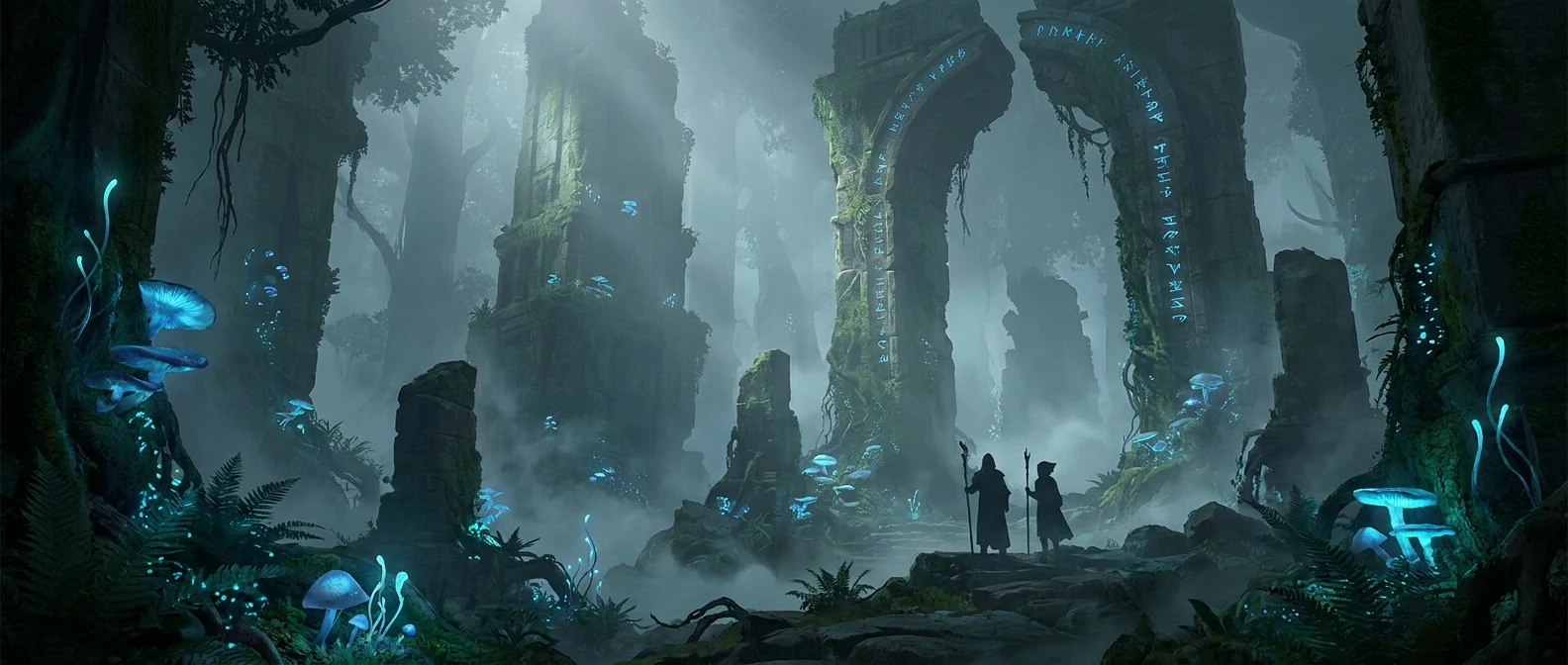
Look, I am not a game developer, but the tech powering this experience is absolutely wild. Running on heavily modified Unreal Engine 5 architecture, the game utilizes advanced micro-polygon geometry. In plain English? That means the environments do not rely on flat textures pretending to be 3D. Every single brick, piece of rotting wood, and muddy footprint actually has depth and casts its own realistic shadow. This level of granular detail grounds the absolute absurdity of the monster designs in a hyper-realistic world. When you shine your tiny flashlight down a long hallway, the light realistically bounces off the damp walls, creating soft, terrifying silhouettes that mess with your head.
Psychological Horror Mechanics
The developers did not just rely on cheap jump scares; they weaponized audio and AI logic against the player. The game constantly monitors your movement speed and camera angles to figure out exactly where you are looking, placing auditory cues just outside your peripheral vision.
- Dynamic Audio Mixing: The soundtrack literally shifts its tempo based on your heart rate—or rather, the game’s calculation of your stress level via your movement inputs.
- Spatial Pathfinding AI: Enemies do not just walk in a circle. If you hide under a bed, the stalker will occasionally check nearby closets first, faking you out before suddenly dropping down to look under the bed.
- Adaptive Lighting Systems: Lumen technology ensures that shadows are pitch black. If you step into a dark corner, you are completely blind unless you risk turning on a light and exposing your position.
It is this combination of high-end rendering and cruel AI logic that makes your palms sweat uncontrollably.
The Actionable 7-Day Playthrough Plan
If you are a busy adult like me and only have an hour or two a night to play, do not try to rush this. Here is a highly recommended 7-day schedule to get the absolute most out of your run.
Day 1: Mastering the Controls and Basics
Spend your first evening just getting used to the weird, heavy physics of the characters. Calibrate your TV brightness perfectly—if the game tells you to make the logo barely visible, actually do it. Run through the prologue, learn the jump timing, and get comfortable with how grabbing and pulling mechanics work with your partner.
Day 2: Exploring the Starting Island
Your second night should be dedicated to exploring the introductory wasteland. Do not rush through the mud and the ruined shacks. Take your time searching for subtle lore clues in the background. This is where you will encounter your very first stalker enemy. Learn how the stealth mechanics function and accept that you are going to die a few times figuring it out.
Day 3: Conquering Puzzles and Logic
As you hit the middle of the game, the mechanics shift heavily toward environmental puzzles. Day 3 is all about brain power. You will face complex water-level puzzles and physics-based balancing acts. Communicate clearly with your co-op partner. This is the night where friendships are tested if someone keeps dropping the crucial item in the water.
Day 4: Resource Management Techniques
By night four, you enter the mid-game where light sources and distractions become scarce. You need to start thinking tactically. Do not waste rocks or bottles on minor distractions. Save them for the big chase sequences. Learn the patrol routes of the larger enemies and memorize the layout of the rooms before you make a move.
Day 5: Navigating the Dark Zones
This is the scariest night. You will enter the underground sections where visibility drops to zero. Keep your headset volume high and rely on spatial audio to hear where the threats are coming from. Stick close to your partner, because getting separated in the dark zones usually results in an instant game over.
Day 6: Advanced Co-op Strategies
The late-game puzzles require split-second timing. One player will be actively running for their life while the other operates heavy machinery to open gates. Plan your routes, count down out loud (“pull the lever on three, two, one”), and do not panic if the monster gets too close. Keep a cool head.
Day 7: Completing the Journey
Set aside a solid two hours for the finale. The climax is an emotional, grueling gauntlet that throws everything you have learned out the window. Finish the story, watch the credits roll entirely, and then spend the next hour frantically texting your partner trying to figure out what the ending actually meant.
Myths vs. Reality
There is a lot of weird misinformation floating around online about this title, so let me clear up a few things right now.
Myth: It is just a lazy copy of older puzzle-platformers with a new coat of paint.
Reality: It completely reinvents the co-op formula, making it mandatory for survival rather than just a fun gimmick. The physics and weight of the characters make it play entirely differently.
Myth: The game relies entirely on cheap jump scares.
Reality: There are barely any traditional jump scares. The fear comes from an overwhelming sense of dread, incredible sound design, and the slow realization that something huge is watching you.
Myth: It is way too short to justify spending full price on it.
Reality: While it is a linear game, an average first blind playthrough takes about 10 to 12 hours. It is zero filler, all killer. Pacing is completely perfect.
Frequently Asked Questions
Is there good replay value?
Honestly, yes. While the story remains the same, replaying it and switching characters with your partner completely changes your mechanical responsibilities during puzzles.
Does it run well on older hardware?
It is surprisingly well-optimized. You might have to turn down the volumetric fog settings on older PCs, but it maintains a solid framerate.
Are there any difficulty settings?
No, the developer opted for a single, curated difficulty level. The challenge comes from observation and timing, not from enemies having massive health bars.
Can you play couch co-op locally?
Yes! It actually supports split-screen couch co-op, which is increasingly rare these days and honestly the absolute best way to experience it.
Is it too scary for casual gamers?
It is very intense. If you get stressed out easily by being chased, you might struggle, but the generous checkpoint system keeps it from becoming frustrating.
Does the story actually make sense?
It is highly interpretive. Much like a good indie film, the game gives you environmental clues rather than a straightforward exposition dump.
Will there be story DLC in the future?
The studio has hinted at expanding the universe, but right now, the base game feels like a complete, standalone narrative package.
Final Thoughts
Look, I play a ton of games for my job, and very few manage to stick in my brain long after I turn the screen off. This one absolutely did. If you want a masterfully crafted, terrifyingly beautiful adventure to tackle with a friend, this is it. Thanks for reading my complete reanimal review. If you found this breakdown helpful, grab a copy of the game, text your bravest friend, and dive in. You will not regret it!
Leave a Reply