

Why silent hill the short message Still Haunts Us
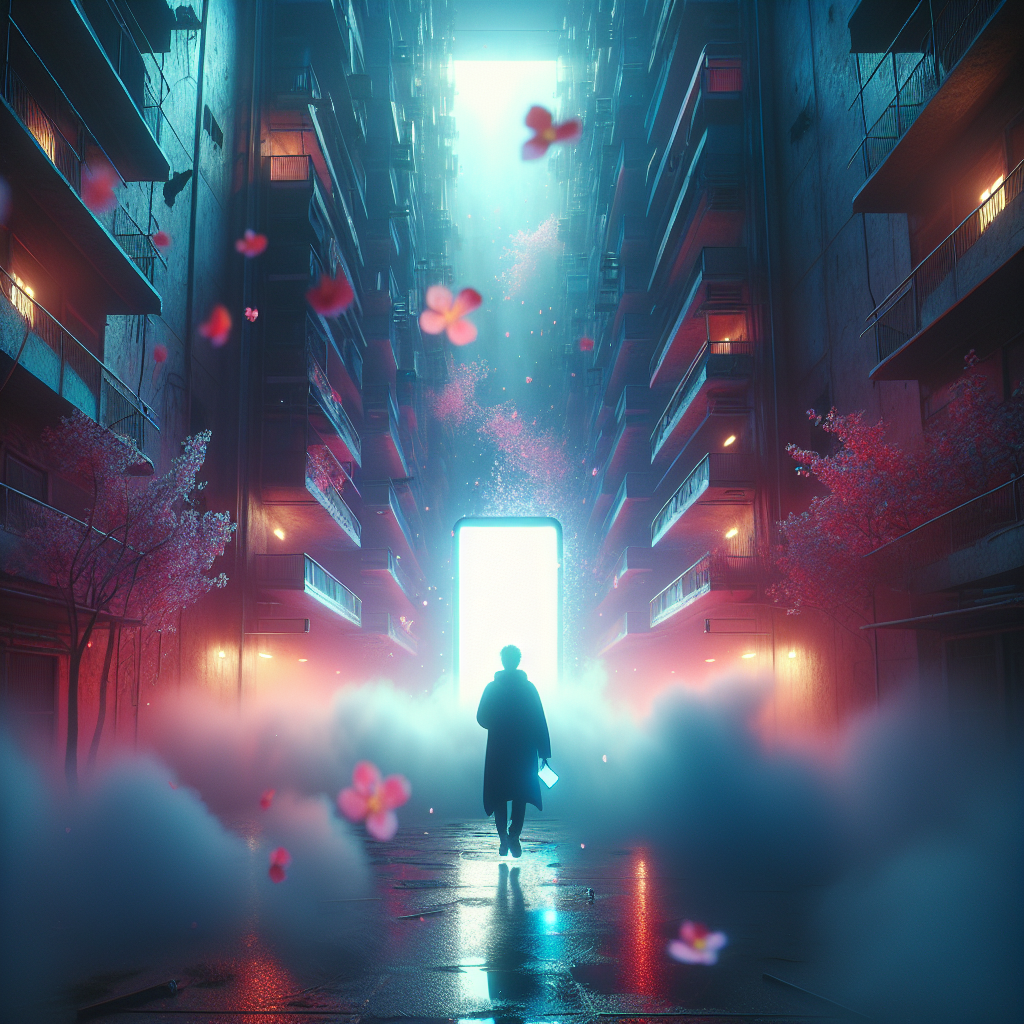
Have you ever wondered why silent hill the short message strikes such a raw nerve the second you boot it up? It throws you right into a suffocating atmosphere without holding your hand. Walking through the thick morning fog in Kyiv’s Podil district recently, holding my phone out just to see the street signs, I was instantly reminded of Anita’s desperate journey. The way the mist obscured the old brick buildings felt exactly like the decaying, looping corridors of the game. It is a brilliant masterclass in taking everyday anxieties and amplifying them into pure psychological dread.
Look, the franchise has always been about confronting internal demons, but this specific bite-sized experience did something radical. It took the classic fog-drenched formula and shoved it into the palm of your hand via a digital screen. You are constantly checking your phone, reading texts that slowly peel back layers of guilt, isolation, and adolescent trauma. The thesis is clear: true terror doesn’t necessarily come from grotesque monsters hiding in the dark, but from the glowing rectangle in your pocket and the words of those you thought were your friends. We need to unpack exactly how this free-to-play title managed to redefine atmospheric tension for a completely new generation.
Decoding the Core of the Nightmare
Getting to the bottom of the mechanics here requires looking at how the developers weaponized the environment against the player. You play as Anita, trapped in an abandoned, decaying apartment complex called The Villa. The game strips away your ability to fight back. There are no rusty pipes, no handguns, and no health drinks. You just have your smartphone, which functions as your flashlight, your map, and your primary source of narrative context. This vulnerability forces you to engage with the environment on a purely emotional level.
Here is a quick breakdown of how this title compares to its closest siblings in the franchise:
| Game | Primary Mechanic | Core Psychological Theme |
|---|---|---|
| The Short Message | Smartphone exploration & evasion | Cyberbullying & teenage trauma |
| P.T. (Playable Teaser) | Endless looping hallway | Domestic guilt & paranoia |
| Silent Hill 2 | Combat & puzzle-solving | Grief & suppressed memory |
The value proposition of this free release is massive. First, it offers a tightly paced, cinematic narrative that you can finish in a couple of hours—perfect for a late-night session. Second, it delivers some of the most striking visual design seen on modern hardware, specifically the Cherry Blossom monster designed by the legendary Masahiro Ito. You are not just walking; you are desperately running from a beautifully terrifying manifestation of self-harm and regret.
If you want to survive The Villa, you need to master a few fundamental rules:
- Always check your texts immediately. They provide crucial context clues for solving the looping puzzles.
- Learn the maze layout quickly. During chase sequences, dead ends are fatal, and the monster moves faster than you think.
- Listen to the audio cues. Static and crying sounds indicate when the environment is about to shift into the Otherworld.
Origins of the Concept
The journey to release was paved with rumors and intense speculation. Long before the official shadow-drop, whispers of “Project Sakura” floated around forums and social media. Leaked images showed a world covered in sticky notes and a creature made of floral arrangements. Fans were starved for content, and these leaks sparked massive debates about the direction of the series.
The Evolution of Psychological Horror
Historically, the series relied on adult protagonists dealing with deep-seated sins. Moving the lens to teenagers dealing with the pressures of social media, bullying, and pandemic-era isolation was a massive risk. However, it paid off by modernizing the psychological horror genre. The developers realized that the traditional “town” of Silent Hill wasn’t just a geographical location in America, but a state of mind that could manifest anywhere—even in a rundown apartment block in Germany.
Modern State of the Franchise
Looking at the gaming landscape from where we stand in 2026, it is incredibly clear that this short, experimental title was the catalyst for the franchise’s massive resurgence. It tested the waters. By releasing it for free, Konami gathered invaluable data on what players wanted. It proved that audiences still crave deep, narrative-driven horror that prioritizes atmosphere over action, setting the stage perfectly for the massive remakes and new mainline entries that followed.
The Psychology of Digital Isolation
Let’s talk about the science of fear used here. The game leverages a psychological concept known as “ludonarrative resonance”—where the gameplay mechanics perfectly mirror the story’s themes. Anita feels lost and trapped by her digital interactions, and you, the player, are literally trapped in looping hallways, forced to stare at a digital phone screen to progress. The anxiety isn’t just simulated; it is structurally engineered into the pacing.
Technical Mechanics of The Fog
From a technical standpoint, the developers utilized advanced spatial audio and dynamic lighting to trick your nervous system. The way the smartphone flashlight casts long, distorted shadows uses real-time ray tracing to make static objects look like moving threats. Furthermore, the game employs frustum culling not just for performance, but as a horror mechanic—rooms literally change behind your back when you aren’t looking.
- Binaural Audio Design: Wearing headphones triggers auditory illusions, making whispers sound like they are physically behind your chair.
- Cortisol Spikes: The lack of combat mechanics keeps your fight-or-flight response locked in “flight” mode, naturally increasing stress hormones.
- Visual Disorientation: The repetitive textures of the hallways cause mild spatial confusion, simulating Anita’s deteriorating mental state.
Step 1: Mastering the Smartphone
Your phone is your lifeline. The very first thing you need to do is get comfortable pulling it up while moving. Whenever the phone vibrates, do not ignore it. The messages from Maya and Amelie are not just flavor text; they trigger events in the environment. If you find yourself stuck at a locked door, check your message history. Often, reading a specific text is the invisible trigger required to open the path forward.
Step 2: Navigating the First Loop
The initial apartment loop is designed to disorient you. You will walk through the same doors and end up in the exact same messy living room. Do not panic. Pay close attention to subtle changes. Look at the trash bags, the paintings on the walls, and the lighting. To break the first loop, you must interact with every glowing item, particularly the artwork left behind by Maya.
Step 3: Decoding Sticky Notes
As the psychological pressure mounts, the walls become covered in thousands of post-it notes bearing cruel, abusive messages. This isn’t just set dressing. To survive this phase, you need to find the notes that look different—usually glowing or featuring specific keywords related to Anita’s past. Interacting with these specific notes pieces together the combination needed for the padlock puzzle later on.
Step 4: Surviving the Cherry Blossom Monster
When the environment shifts to the rusty, blood-red Otherworld, the Cherry Blossom monster will appear. You cannot fight her. Do not try to hide, as she will find you. Your only option is to run. The trick is to keep your camera facing forward to watch for obstacles while using the quick-turn button if you hit a dead end. Memorize the layout, as she gets faster the longer the chase goes on.
Step 5: Managing the Final Chase
The climax of the game features a notoriously difficult maze sequence where you must find several specific items while being actively hunted. The key to surviving the final chase is peripheral vision. Look for the glowing photographs scattered throughout the labyrinth. Map the area in your head: run the outer perimeter first to gather the easy pictures, then dash into the central corridors. If you hear static getting louder, immediately change direction.
Step 6: Understanding the Lore
To fully grasp what is happening, you need to read the scattered documents in the school flashbacks. These papers explain the history of the town of Kettenstadt and the strange “witch” phenomenon. Understanding the lore gives you the context needed to understand why Anita is projecting her guilt into this specific apartment building. It makes the final revelation hit much harder.
Step 7: Reaching the Ending
Once you gather all the pieces in the final maze and escape the monster one last time, you will reach the roof. The ending is a powerful, emotional sequence. Simply walk forward and let the narrative unfold. There are no tricky button prompts here. Just absorb the message about seeking help, breaking the cycle of abuse, and finding a reason to keep moving forward.
Debunking Common Misconceptions
Myth: It is just a lazy clone of P.T. designed to cash in on nostalgia.
Reality: While it shares a first-person perspective and looping hallways, the core themes of cyberbullying and the complete lack of supernatural ghosts make it a distinctly unique, character-driven story.
Myth: The monster spawns randomly during the exploration segments.
Reality: The monster encounters are entirely scripted. She only appears during specific Otherworld transitions, meaning you are completely safe while reading documents and exploring the normal apartments.
Myth: You need to pay for a premium upgrade to see the true ending.
Reality: The entire game is 100% free from start to finish. There are no microtransactions, no locked endings, and no hidden fees.
Myth: The game has multiple endings depending on your choices.
Reality: It is a strictly linear, curated narrative experience. There is only one ending, designed specifically to deliver a singular, powerful message about mental health.
Is Silent Hill The Short Message free?
Yes, it is completely free to download and play. Konami released it as a surprise gift to fans to revitalize interest in the franchise.
How long to beat the game?
Most players will finish the story in about 1.5 to 2 hours. It is designed to be experienced in a single, intense sitting.
Is it available on PC?
Currently, it was launched as a PlayStation 5 exclusive to take advantage of the DualSense controller and specific hardware architecture.
Are there weapons?
No. You have absolutely no combat abilities. Your only tools are your smartphone and your ability to run away.
Who is the monster?
The creature, adorned with cherry blossoms, is a psychological manifestation of a character named Maya, twisted by the protagonist’s deep-seated guilt.
Is it scary?
It relies heavily on intense psychological dread, claustrophobia, and loud, stressful chase sequences rather than cheap jump scares.
Do I need to play other games first?
Not at all. This is a completely standalone story with new characters, making it a perfect entry point for newcomers.
Final Thoughts on the Journey
Experiencing this digital nightmare is something every fan of psychological thrillers needs to do. It successfully captured the crushing weight of modern anxiety and wrapped it in a beautifully terrifying package. The way it handles heavy themes with respect while still delivering nail-biting horror is a testament to the developers’ vision. If you haven’t played it yet, grab your controller, turn off the lights, put on some headphones, and face the fog yourself. Go download it tonight and see if you can survive the truth waiting at the top of The Villa.
Leave a Reply