

Understanding the Subaru Trailseeker Phenomenon
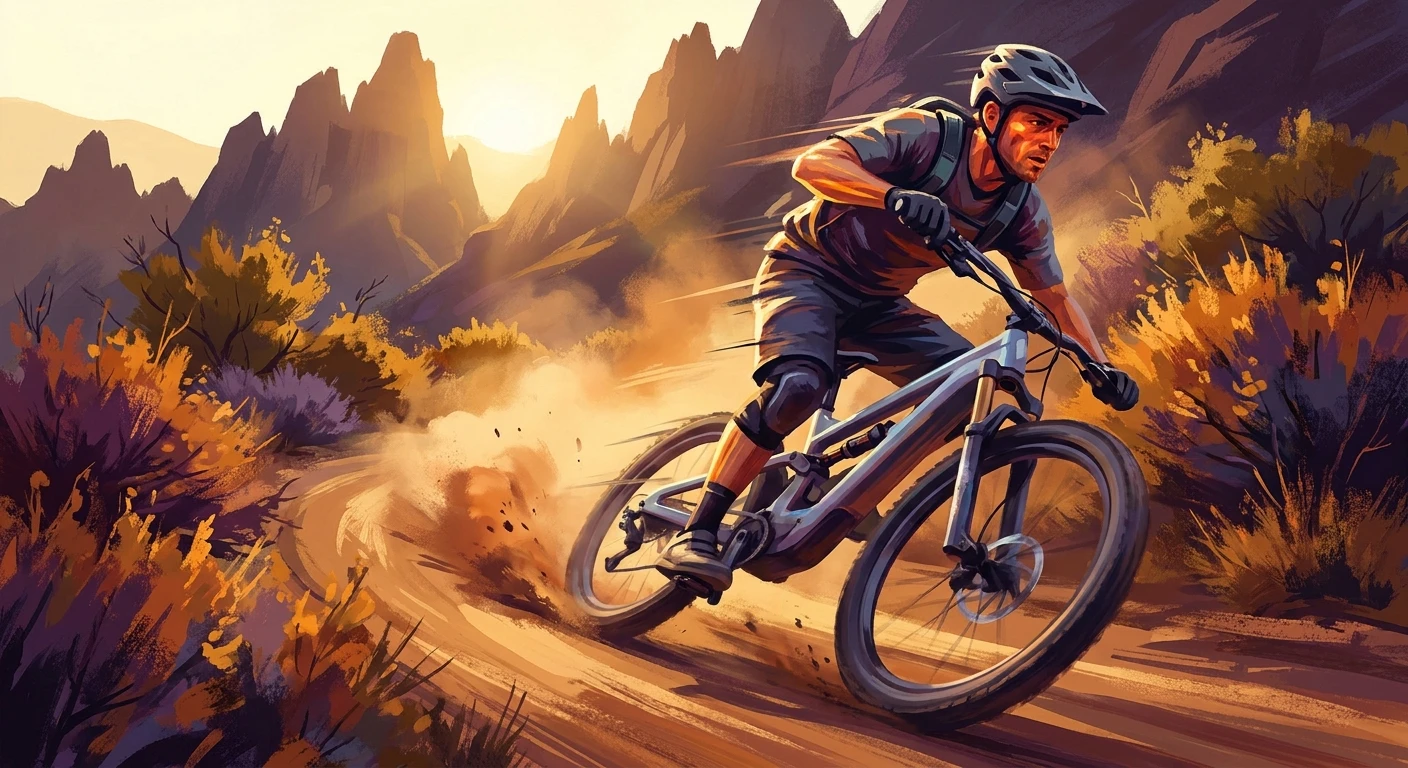
The thrill of hitting rugged gravel paths, navigating deeply technical switchbacks, and pushing human endurance to its absolute limits defines the core of modern off-road mountain biking. Right at the epicenter of this vibrant and demanding athletic discipline sits the Subaru Trailseeker, a premier marathon event series that tests both the mechanical resilience of the bicycle and the physiological thresholds of the rider. You are looking at a highly competitive arena where enthusiastic amateurs and seasoned professional athletes line up side-by-side to conquer some of the most breathtaking yet punishing terrains imaginable. The global rise of marathon mountain biking has shifted the focus from short, explosive races to grueling tests of stamina, and this series represents the absolute gold standard of that shift. The thesis here is straightforward: achieving success and mastering the Subaru Trailseeker requires much more than just brute pedaling power and blind enthusiasm; it demands a meticulous integration of cardiovascular conditioning, precise nutritional planning, and a deep, practical understanding of bicycle mechanics. Whether you are aiming to stand proudly on the podium, beat your personal best, or simply want to cross the finish line before the dreaded cut-off time, grasping the multifaceted nature of this challenge is your first critical step toward success. The psychological mindset required to endure hours in the saddle over unforgiving rocks and roots cannot be overstated. You must build an unbreakable mental fortitude alongside your physical base. This comprehensive exploration maps out everything from the intricate biomechanical demands of mountain biking to a highly specific, actionable training protocol designed to optimize your peak performance exactly when the starting gun fires.
Core Mechanics and Community Value
Participating in an endurance event as prestigious as the Subaru Trailseeker brings immense physical and psychological benefits that ripple outward into every facet of a rider’s life. The value proposition of engaging in marathon mountain biking extends far beyond the adrenaline rush of a single race weekend. For example, committing to a regular training schedule for these vast distances drastically improves cardiovascular efficiency, lowers resting heart rates, and strengthens the immune system. Another compelling example is the profound sense of community embedded in off-road cycling culture; riders frequently form dedicated local training groups, sharing tactical knowledge about optimal tire choices, suspension tuning, and nutrition strategies. The psychological resilience built during a grueling, seemingly endless climb translates directly into improved stress management and elevated focus in daily professional life. The event itself is structured to accommodate varying levels of fitness, ensuring that nobody is left behind.
Read also: The Ultimate HSR Maintenance Guide for Top Performance; Complete Guide to the Poke Court Lifestyle.
| Route Category | Distance & Elevation | Target Rider Profile |
|---|---|---|
| Fun Race / Sprint | 20km / ~300m elevation | Novice riders, families, and youth building early endurance and learning basic trail etiquette. |
| Half Marathon | 40km / ~800m elevation | Intermediate athletes seeking a balanced mix of high speed and moderately technical challenges. |
| Full Marathon | 70km+ / ~1500m+ elevation | Advanced competitors with optimized nutrition strategies, high VO2 max, and dialed-in mechanics. |
However, physical fitness alone will not guarantee a finisher’s medal. Success in the Subaru Trailseeker heavily relies on equipment reliability and mechanical preparation. If your machine fails out in the wilderness, your aerobic fitness immediately becomes irrelevant. You must systematically address three critical hardware components before even approaching the start line.
- Tubeless Tire Systems: Eliminating traditional inner tubes significantly reduces the frustrating risk of pinch flats. Furthermore, liquid sealant inside the tire instantly plugs small thorn punctures, while the lack of a tube allows riders to run lower tire pressures. This drastically increases the rubber’s contact patch and provides superior traction over loose rocks and wet roots.
- Suspension Calibration: Modern mountain bikes feature highly adjustable air forks and rear shocks. Setting the correct “sag” (the amount the suspension compresses under the rider’s static weight) ensures the tires maintain constant contact with the ground during rapid impacts, maximizing downhill control and preserving forward momentum.
- Integrated Hydration and Nutrition Storage: During a high-intensity off-road marathon, riders easily consume hundreds of calories per hour. Having easily accessible carbohydrate gels, electrolyte fluids, and energy bars mounted directly to the bicycle frame or carried in a specialized hydration pack prevents dangerous physiological energy crashes, universally known in the cycling world as “bonking.”
The Origins of the Trailseeker Concept
Mountain bike racing initially evolved from informal gatherings of thrill-seekers riding heavily modified beach cruisers down steep fire roads in the late twentieth century. As the sport rapidly matured and bicycle technology advanced, a clear, undeniable demand emerged for structured, safe, and professionally timed events that could cater to massive fields of riders simultaneously. The origins of large-scale, multi-stage marathon series like the Subaru Trailseeker stem directly from this exact community need. Early iterations of off-road racing were often grassroots efforts, organized by passionate local cycling clubs using rudimentary stop-watch timing systems and hand-drawn route maps pinned to notice boards. These pioneer races proved conclusively that thousands of people were entirely willing to travel significant distances, endure logistical hurdles, and pay entry fees just to test their mettle against unpredictable natural elements and punishing vertical gradients.
Evolution of the Tracks and Routing
Over the subsequent decades, the fundamental philosophy behind course design underwent a massive and highly technical shift. In the early days of marathon racing, organizers simply strung together existing agricultural jeep tracks, district dirt roads, and hiking paths, creating fast but somewhat mundane courses that heavily favored pure road-cycling fitness over technical bicycle handling skills. As the Subaru Trailseeker concept evolved into a premium sporting property, dedicated professional trail builders began carving bespoke, sustainable singletrack networks through private farms and otherwise inaccessible protected nature reserves. These modern, purpose-built routes demand a completely different, highly dynamic riding style. They feature mathematically engineered berms, treacherous natural rock gardens, and steep, punchy switchback climbs that force riders to master explosive power delivery and precise, millimeter-perfect weight distribution.
Modern State of the Competition
Today, the Subaru Trailseeker represents the absolute pinnacle of sporting logistics and event management. The modern state of the competition involves sophisticated electronic RFID timing chips, massive race villages with premium vendor expos, professional medical sweep teams equipped with off-road vehicles, and high-definition live tracking for spectators. Furthermore, environmental sustainability has become a primary, non-negotiable focus for event directors. Modern organizers work closely with environmental protection agencies to ensure that thousands of aggressive bicycle tires do not permanently erode sensitive ecological zones. Post-race trail rehabilitation programs, stringent anti-littering rules, and strict adherence to designated paths ensure that the pristine natural habitats hosting these epic showdowns remain perfectly intact for future generations of off-road enthusiasts.
Biomechanics of Off-Road Cycling
Endurance mountain biking is a endlessly fascinating subject for sports scientists and kinesiologists because it requires a highly unique hybrid of sustained aerobic capacity and violently explosive anaerobic burst power. When tackling the relentless climbs of the Subaru Trailseeker, a rider’s cardiovascular system often operates perilously close to the lactate threshold for hours on end, constantly battling to clear the burning lactic acid produced by the major leg muscles. The biomechanics of pedaling over severely uneven terrain mean that a rider simply cannot sit in a static, aerodynamic position like a road cyclist. Instead, they must constantly hover millimeters above the saddle, using their bent arms and legs as secondary, biological suspension systems. This highly dynamic, fluid riding position recruits deep core stabilizers, the latissimus dorsi for pulling on the handlebars, and immense upper body musculature to a degree rarely seen in traditional cycling. This full-body engagement results in massive total caloric expenditure and rapid muscular fatigue if not properly conditioned.
The Physics of Tire Traction and Rolling Resistance
At the mechanical level, winning a sprint or surviving a technical descent often comes down to applied physics, specifically the complex interaction between the rubber tire compound and the dirt surface. Traction is essentially generated by the physical deformation of the tire casing over trail obstacles, creating a mechanical interlock with the ground. Managing overall rolling resistance while simultaneously maintaining critical grip is a complex mathematical equation that involves balancing hysteresis (the kinetic energy lost as heat when the tire deforms) and surface friction.
- Hysteresis and Damping: Lower tire pressures allow the flexible rubber casing to conform to rocks instead of bouncing violently off them. This reduces vertical deflection, ensuring the rider’s energy propels the bicycle forward rather than bouncing it upward, which dramatically saves forward momentum.
- Aerodynamic Drag: While overall speeds are generally lower off-road compared to smooth tarmac, wind resistance still accounts for a highly significant portion of energy cost during flat, high-speed gravel sectors, making form-fitting clothing highly advantageous.
- Glycogen Depletion Rates: The average human body can only store roughly 2,000 calories of readily available muscle glycogen. A grueling marathon race pace burns through this biological fuel tank in well under two hours, necessitating precise, mathematically calculated exogenous carbohydrate intake.
- Rotational Mass: Weight saved at the extreme perimeter of the wheel (specifically lightweight tires, tubeless valves, and carbon rims) has a disproportionately positive effect on acceleration out of slow corners due to the unforgiving physics of angular momentum.
Day 1: Base Endurance and Equipment Audit
Begin your final, highly crucial preparation week for the Subaru Trailseeker with a light, steady-state spin lasting absolutely no longer than ninety minutes. Keep your heart rate firmly in Zone 1 or Zone 2. Use this calm time to perform a comprehensive, bolt-by-bolt audit of your bicycle. Check brake pad wear, confirm shifting cable tension, inspect the chain for stretch, and ensure your tubeless sealant is freshly topped up. Absolute mechanical confidence allows you to push significantly harder on race day without the lingering fear of equipment failure.
Day 2: Threshold Intervals
Introduce short, highly controlled bursts of intensity to keep the cardiovascular system razor-sharp without accumulating excess muscular fatigue. Perform exactly four intervals of five minutes right at your lactate threshold pace, separated by five minutes of incredibly easy, soft pedaling. This strategic workout activates the fast-twitch muscle fibers required for conquering steep, technical climbs without needlessly draining your precious, deeply stored glycogen reserves.
Day 3: Active Recovery and Mobility
Keep the bicycle parked safely in the garage today. Focus entirely on proven active recovery techniques such as deep tissue foam rolling, dynamic stretching, and restorative yoga. Pay very special, focused attention to your lower back, glutes, and hip flexors. These specific muscle groups endure immense, sustained isometric strain during marathon distance mountain biking events and require dedicated time to decompress.
Day 4: Technical Skills Clinic
Spend forty-five minutes entirely off the clock, practicing highly specific technical maneuvers in a safe, controlled environment like a local park. Drill your flat-cornering techniques, practice sustained track-stands to improve balance, and execute precise front-wheel lifts over small wooden obstacles. Sharpening these neural pathways ensures that your bike handling remains purely intuitive and automatic when you are severely physically exhausted during the actual race.
Day 5: High-Intensity Sprints
Perform a very short, intensely punchy workout consisting of five to six ten-second all-out maximal sprints. This specialized “open up” session powerfully primes the central nervous system. It clearly signals to your body that high-intensity efforts are still expected, entirely preventing the sluggish, heavy-legged feeling that incredibly often accompanies a prolonged tapering phase before a major competition.
Day 6: Course Reconnaissance and Carbo-Loading
If geographical proximity permits, ride the first few kilometers of the course at a profoundly relaxed, conversational pace. Familiarize yourself with the exact layout of the starting chute, the width of the initial double-track, and the early terrain to reduce race-day anxiety. Dietarily, shift your daily macronutrient intake heavily toward easily digestible complex carbohydrates—white rice, boiled potatoes, and plain pasta—ensuring your muscle glycogen stores are absolutely topped off and maximized for tomorrow’s massive effort.
Day 7: Race Day Execution
Arrive at the Subaru Trailseeker race village at least ninety minutes early. Warm up thoroughly on a stationary trainer to avoid shocking cold muscles when the starting gun fires. Stick rigidly and unapologetically to your predetermined nutrition strategy, consuming a measured dose of carbohydrates every twenty minutes without fail. Ride strictly at your own predetermined pace during the chaotic first hour, actively avoiding the dangerous temptation to chase faster competitors, and consciously save your matches for the final, grueling technical sectors.
Debunking Common Off-Road Racing Myths
Endurance mountain biking is deeply surrounded by persistent equipment dogmas, training misconceptions, and elitist attitudes that can easily derail a motivated beginner’s journey.
Myth: You need an astronomically expensive, elite-tier carbon fiber bicycle to participate and finish safely.
Reality: While lighter components certainly offer marginal, fractional gains for professionals, modern entry-level and mid-range aluminum bicycles possess incredibly capable, confidence-inspiring geometry. Dialing in your exact tire pressure and ensuring a properly adjusted, clean drivetrain ultimately matter far more than shaving a few hundred grams off a frame.
Myth: The Subaru Trailseeker is exclusively designed for sponsored professional athletes and hardcore veterans of the sport.
Reality: The event is brilliantly and specifically structured with multiple tiered distances. The shorter routes are explicitly engineered to be accessible, safe, and highly enjoyable for complete novices, youth riders, and recreational enthusiasts who simply want a fun day outdoors.
Myth: Full-suspension bicycles are absolutely mandatory for surviving all modern marathon events.
Reality: On smoother, flowing courses that feature massive amounts of vertical climbing, lighter hardtail bicycles (which completely lack rear suspension mechanisms) are actually often faster and vastly more efficient due to zero energy being lost through rear shock compression, resulting in direct, immediate power transfer.
Myth: You should do all your training on smooth asphalt roads to build pure fitness before hitting the dirt.
Reality: Off-road riding requires highly specific muscular adaptations for constant vibration damping and rapid micro-adjustments in balance that pure road riding simply cannot provide. Dirt fitness requires dirt hours.
What is the minimum age to enter the shorter routes?
Most of the shorter sprint and fun distances enthusiastically allow riders as young as ten years old, provided they are actively accompanied by a registered adult, wonderfully fostering a deeply family-friendly atmosphere at the race village.
Can I use a modern gravel bike for the race?
While gravel bikes are undeniably fast on smooth, manicured dirt roads, the severe technical singletrack, unpredictable rock gardens, and steep drop-offs make proper mountain bikes with flat handlebars and suspension the highly recommended, safest choice.
Are there official water points on the route?
Yes, strategically placed, heavily stocked hydration and nutrition stations are a major hallmark of the Subaru Trailseeker, ensuring riders can refuel safely and constantly throughout the grueling day.
What happens if my bicycle severely breaks down?
Dedicated roving mechanical support crews and motorized sweeper vehicles constantly traverse the entire route to efficiently assist stranded riders and safely transport them back to the bustling race village.
Is professional medical support available on the trails?
Absolutely, fully equipped, highly trained medical response teams are permanently stationed at key checkpoints and actively patrol the course on specialized off-road vehicles to ensure total rider safety.
Do I need to carry my own tools during the race?
Despite the excellent support, riders are strongly, continuously advised to independently carry a high-quality multi-tool, spare chain links, a lightweight pump, and a comprehensive tire repair kit to fix minor mechanicals rapidly without waiting for help.
How exactly is the starting order determined?
To ensure maximum safety and smooth trail traffic flow, riders are mathematically seeded into distinct starting batches based strictly on their previous historical race times and verified national athletic ranking index.
Are heavy e-bikes allowed to participate in these events?
Many modern marathon events now feature dedicated e-bike categories that start in their own specific batches, allowing assisted riders to enjoy the spectacular routes without unfairly interfering with the purely analog, unassisted competitive racing fields.
Are there strict cut-off times for the marathon distance?
Yes, for logistical and safety reasons, riders must reach designated checkpoints by specific times; failing to do so usually results in being safely rerouted to a shorter, more direct path back to the finish line.
Final Thoughts
The Subaru Trailseeker represents the ultimate, beautiful synthesis of pristine nature, advanced bicycle technology, and raw human endurance. It is a profound test of character disguised as a simple bike ride. By actively applying the rigorous, structured training plans, internalizing the technical mechanical insights, and respecting the foundational physiological principles detailed above, you are now fully equipped to dominate the dirt. The trails are waiting, the mechanics are dialed, and the preparation is complete. Stop merely dreaming about crossing that glorious finish line—grab your helmet, tune your suspension perfectly, and start your structured, focused preparation today to conquer the ultimate off-road challenge!
Leave a Reply